Online Dating In Your Thirties

Online dating in your thirties is awesome. It’s also terrifying. I know some people who hate online dating and others who swear by it. I’ve gone to weddings of friends who met their significant others online, and have also listened to multiple friends tell me that they’d never go on an online date again.

If you’re single in your thirties and have never given it a go, I urge you to try. Obviously, stay safe and meet in public places and all that good stuff- but otherwise, be open to new experiences. If you want to be single for awhile, that’s awesome and perfectly okay, but if you’re trying to meet someone and don’t want to do online dating because it seems scary or ‘not genuine,’ I think you’re potentially missing out. I know that some of you may swear that you only want to meet your special someone IRL (In Real Life), but I feel like online dating only increases the number of people you end up meeting, and helps you connect with people who you might have had a hard time finding otherwise.

You’re busy and have a lot of things going on in your life and career- it’s hard to meet people, especially in big cities where everyone’s busy and rushing around. You probably don’t want to limit yourself to guys/ladies you meet at bars, or solely date your coworkers. Sure I know a few couples who’ve met in one of those ways, but I believe that dating is actually kind of a numbers game, and online dating exponentially increases the number of people you can meet. And meeting new people can be fun in its own right– even if you don’t find your soulmate right away.

So without further ado, here are some free online dating sites and apps to try:

OkCupidokcupid.com

OkCupid is probably one of the most tried and true free dating apps out there. It’s been around for a long time- it launched in 2004- so it has a lot of users, which is good. It’s both a website and an app, so this is a good one if you don’t want to be online dating on your smartphone only. OkCupid is one of the most writing intensive of the online dating sites- it requires you to fill out a bunch of question and answer statements (what they call ‘essays’, but they’re not essays). It’s a great app for sheer breadth of people you can meet, and, if you’re a stickler for grammar, it really showcases whether someone is a good writer or not.

Tinder gotinder.com

Tinder is a swiping app only, and is not a website. You swipe people either left or right depending if you like them or not- so Tinder is the opposite of OkCupid, in that it’s not writing based- solely looks based. Tinder is known more as a hookup site, but isn’t limited to that…so it can be a bit on the hazy side in terms of what people want from being on the app. The swipes on this app are unlimited, so it’s known to become an addictive habit. Most people who hate online dating are Tinder users, so I don’t recommend it for beginners to the online dating world. I’m also not a big fan of Tinder anyway, because of their semi-icky nature and ageist policies.

Hingehinge.co

Most people don’t know Hinge, but it’s slowly becoming an online dating fan favorite. It works by connecting you to friends of friends on Facebook, so it’s kind of like being introduced to your friends’ friends’ friends without the trouble of an introduction.  You don’t have to do much to set it up, because, as it works through Facebook, it’s able to pull a lot of your data from your FB profile- so you don’t have to upload any new photos or write that much at all. The Hinge profile is a profile you can create in minutes. Also, although Hinge, like Tinder, is also swiping app, it limits your swipes to only a couple of people a day, so you can put down your phone, stop the madness, and have a life outside of the app. Hinge is a great app for online dating beginners since it’s easy and user-friendly, especially if you have a good amount of Facebook friends (the more FB friends you have, the more recommendation possibilities for the app).

Bumble– bumble.com

Bumble is a swiping app, like Tinder and Hinge. However, there are a few major differences. One– it isn’t known to be a hookup only app the way Tinder is. Two– It doesn’t go through Facebook. Three (and most importantly)– It only allows women to message first. That’s the Bumble catch. So if you “match” with someone (you both swipe right= “yes”to liking each other), then only the woman can say the first hello. If she doesn’t, the match disappears within 24 hours and you’ll never speak again (on the app at least). Make of Bumble what you will, but I think it’s a neat and different little marketing concept. Bumble also has unlimited swiping- a la Tinder- so it can be addicting. And Bumble was actually started by Whitney Wolfe, one of the cofounders of Tinder. And Jane actually wrote about Bumble here before.

So go enjoy! Don’t be ashamed to be single in your thirties! You may never get to have this amazing time again, and some of your married friends may even be quite a good bit jealous of you. So go date, online date, and live it up!

large

Food For Thought- Do You Think Differently in Your Thirties?

I saw an acquaintance of mine yesterday who I hadn’t seen in over 3 years. She congratulated me on this blog and told me that she wanted to talk about how different things started feeling now that she’s in her late thirties- 36 to be exact.

She does what I do- she’s a presenter and product specialist. In our industry, it’s your job to look young and healthy, so she told me that she’s always told that she looks younger than thirty. However, it’s not her looks that necessarily felt different (although we both admitted that we do feel like we look different than we did in our twenties..what’s interesting about that is that even if you look good and young in your thirties, there’s a more mature quality about your looks too..or at least that’s what we concurred on.)

What felt different to her about the thirties was an almost invisible quality- she said that she was thinking differently. We didn’t get to talk about this in too much detail, but I feel like I definitely think differently in my thirties as well. It’s not just the obvious possible fear thoughts that women in their thirties may have – ‘will I ever get married?’ ‘Is there more to life than having children?’ ‘Why am I not at the top of my career yet?’ There’s a certain degree of experience that makes itself known in my thoughts as a thirty-something. I know my likes and dislikes more. I’ve been burned a few times, and I don’t trust as easily. There’s a certain ‘here we go again’ thought process that occurs lately that wasn’t there before. Sometimes it’s great- like when I start work on a project and can navigate its pitfalls like a pro. Sometimes it’s not so great- like when I meet a new person and red flags go off from the first conversation.

I don’t exactly know what to make of these new thought processes in my thirties. Somehow I always thought that I’d be exactly the same as I was in my twenties- but I don’t know why I thought that. The thirties have changed things.

What do you guys think? Is there a been there, done that feeling in your thirties? People that set off old alarms? Less naiveté? Let us know your thoughts.

FullSizeRender (1)

Today, at 31 years old, training day for CES (Consumer Electronics Show) and thinking back on all the CES’s from my twenties. Am I super different now?


The More Time and Less Time of Stopping

I recently went through a period where I had trouble feeling grateful for things. I wrote about some of my struggles in What Happens When You Start Feeling Empty – I came to a point where I realized I was having difficulties accessing any feelings at all, never mind grateful, peaceful ones.

I’ve started to come out of that funk, at least for awhile, and I think the return of some peace in my life has a lot to do with having gone through the emptiness in the first place, acknowledged it, and just stopped.

Stopped. Cold.

Instead of trying to push through the empty feeling and just get it out of my life by sheer force, I sat with it. I stopped what I was doing- the things I could stop anyway- the busyness and busy rituals that I felt I needed to do but actually didn’t. The emptiness was trying to tell me something and I needed to listen. Jane talks about sitting with feelings of sadness in her last post The Solstice and Acknowledging the Harder Parts of the Holidays. I think you can sit with any feeling, including an empty lack of feeling.

I turned the non-feelings over in my head. I wrote about them here. And then, slowly, painstakingly at first, the feelings changed. And I changed what I was doing. Tiny, experimental changes. I starting a new morning ritual instead of my beloved meditating. I exercised in a different way. I started seeing more friends and changed my work habits a bit. I read a different book.

I didn’t make major changes. Just small ones that felt a bit better. And then I started to feel a bit better.

I didn’t have any more time in my life to sit with my thoughts or change my routines or stop what I was doing. But time is a funny thing. It’ll expand when something is important to you.

Even though the holidays are busy and stressful sometimes, give yourself the gift of your own time for awhile. Peace will come.

And isn’t that what the holidays are all about anyway?

IMG_8250


What Happens When You Start Feeling Empty?

I guess it can happen when you least expect it.

At the end of a very productive week, after sweeping through almost everything on my to do list and checking it all off, and getting a crazy amount accomplished and even feeling quite together and on top of things, I started to feel empty inside.

I wouldn’t usually write about things like this, because I don’t know if hearing about emptiness is helpful to people. Also, I’m usually an extremely positive and driven person, so it’s kind of hard to talk about feeling suddenly empty in the middle of an upswing for no determinable reason.

However, I was thinking that if I’m feeling this way now, I’m sure there are others who are feeling this way too, and maybe it’ll help to talk about it.

Emptiness is a weird feeling, and completely annoying, because when you try to shake it, it only clings on harder. It came upon me this week after meditating almost every day, and feeling pretty good about things, so it was pretty random seeming. I guess it can come from anywhere at any time. It just felt hard to feel, if that makes any sense. It was hard to feel grateful and hard to feel peaceful for sure.

I woke up in the middle of the night last night with the empty feeling slathered all over me, like an unsettling grey cloud. It led to almost immediate fear thoughts about how even when I’m on top of things and feeling quite good, I can still feel this horrible lack. Just writing about this now kind of brings the fear thoughts back. Since I don’t exactly know the answer to how to proceed with feelings like this, I will only state some theories I have:

  • Feelings of emptiness come and go. There’s probably something I should pay attention to, instead of just pushing the feelings away.
  • Although I’m afraid of the feeling of emptiness, or not being able to feel peace and gratefulness, I think I’m afraid because I feel like no matter how hard I work, my feelings might not always be peaceful, and I can’t accept that.
  • I need to accept that my feelings won’t always be peaceful, and that sometimes I will feel empty and afraid. I won’t always feel this way, but it doesn’t help to pretend that I never feel this way.
  • The empty feelings and fear feelings that pass through me don’t define who I am.
  • Those same “bad” feelings (which I’m going to take the “bad” label away from now) can be present even while I forge ahead with my life. Their presence doesn’t need to set me back, though I always feel that if I feel empty and fearful, it must mean I’ve backtracked.

This has a lot to do with what I wrote about in the post It Hurts, So What? Sometimes I’m afraid to do something because I know it will hurt. For example, in that post I talked about being afraid to speak up because I knew the outcome probably would be painful anyway…but I needed to speak up. And I did, and it was very painful..but that was okay. Because so what? Sometimes things will be painful. It’s uncomfortable but it’s alright.

So perhaps I’m relearning the lesson of ‘It hurts. So what?” again and again. It’s okay to be afraid of the empty feeling, at the same time that it’s okay to be afraid of being afraid. It’s not a about being ‘beyond’ those feelings. It’s about letting them happen..because so what? Those feelings aren’t who I am.

Here are some articles I read about the empty feeling that made me feel a bit better and a bit less alone:

The Real Cause of Inner Emptiness (And What to Do About It- http://www.huffingtonpost.com/margaret-paul-phd/inner-emptiness_b_869421.html

‘I Feel Empty’: How to Overcome Feelings of Emptiness- http://www.goodtherapy.org/blog/i-feel-empty-how-to-overcome-feelings-of-emptiness-1112145

Allowing things to

arise: http://www.buddhanet.net/4noble19.htm

Hope this helps someone out there. Remember, feel free to reach out to us if you feel sad or empty. You’re not alone!

Fotolia_65301126_Subscription_XXL.jpg

Are You Still A Good Friend In Your Thirties?

I just got back from visiting Jane in LA and it was fantastic. I’d been working in LA for two weeks, so I took the opportunity to extend my stay for 7 days at Jane’s apartment in Santa Monica. It was the best decision I could’ve made.

image

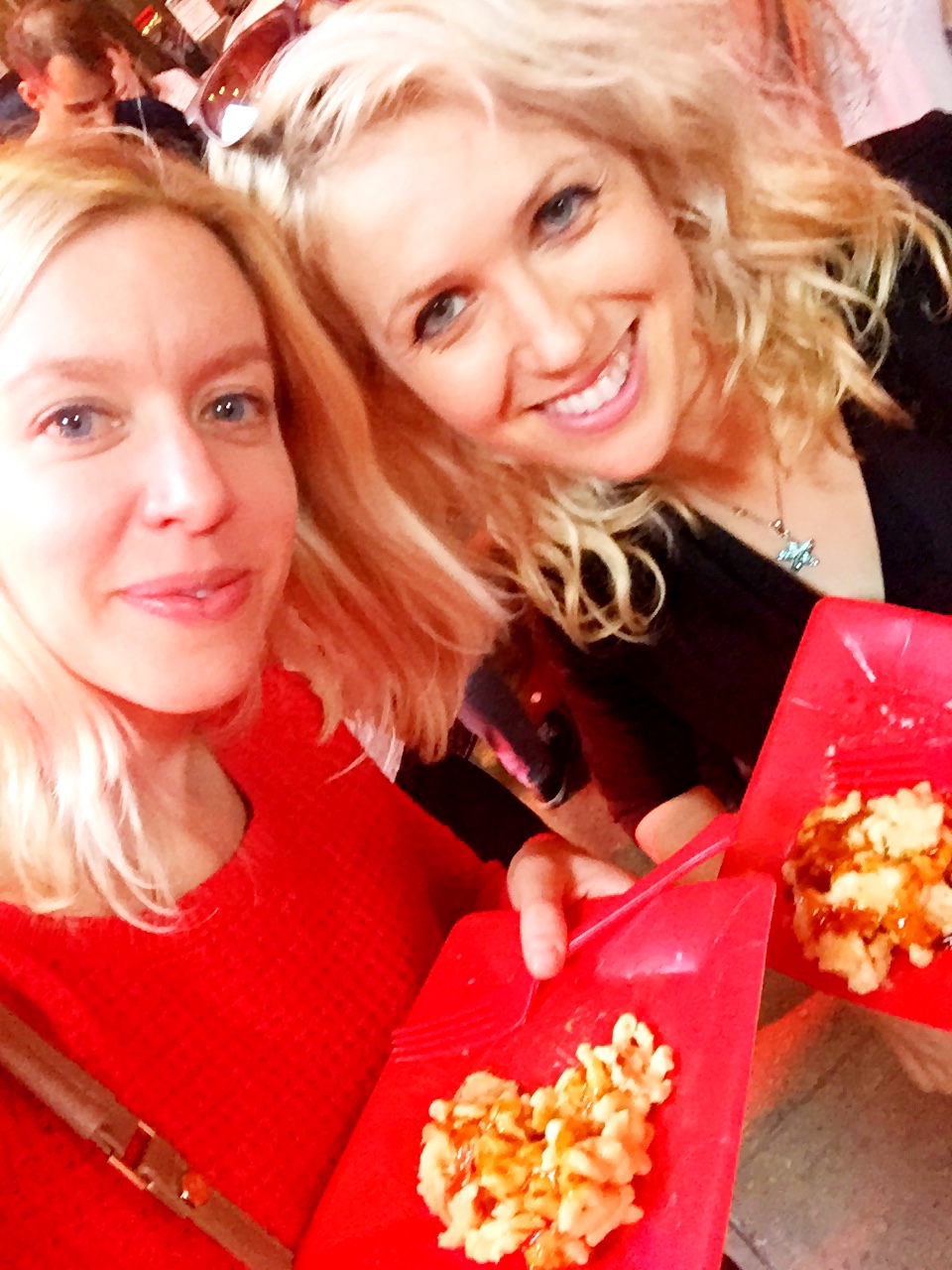
Jane and I managed to spend 7 days with almost every hour together, and we still felt like we could’ve easily used more time. We went to all kinds of delicious restaurants, from brunch cafes to vegetarian taco places to incredible italian (we’re ridiculously happy foodies), while also managing to find a mac and cheese festival (9 different mac and cheeses in 2 hours), and quite a few great drink deals and happy hours.

image image

We also managed to both get quite a bit of work done together- between writing and blogging and marketing and other job-related things. We also got in quite a few physical activities such as biking for quite a few hours and running and walking all over the place. We met up with friends and coworkers and I even got to go to her weekly writers workshop.

In short, it was a successful trip. However, one of the things we talked about and have had quite a few serious discussions about in the past is maintaining our friendship even when we’re in relationships.

We’ve both found that it can be easier to maintain friendships when single. I’ve seen this happen time and time again with acquaintances who fall off the face of the earth when they find a significant other.

I know it has happened to me in the past, especially in my early 20s, where I expected all my friends to understand that I didn’t have as much time to spend hanging out with them. Some of my friends then drifted away- probably angry at me for being so stupidly unaware that I was pushing them away. Luckily, I realized what I’d done and now heavily prioritize spending time with my friends and family.

I feel terrible even thinking about those days, but I think you have to go through the relationship/friendship vortex to understand. At first, when you’re in a relationship, it can just seem like you don’t have nearly as much time to hang out with your friends. However, if you let that feeling lead you, and you stop appreciating and tending to your awesome friendships, you’ll pay a heavy price.

You don’t want your significant other to be your only friend. Even if you’re married, I think it’s a very bad idea to only hang out with your significant other, or only give minor thought to your friends. Worst case scenario, you break up or get divorced, and then you realize your good friends are gone because you’ve been pushing them away for years.

Jane and I always promise each other that we’ll tend to our friendship no matter what, and I think that’s one of the biggest reasons we’ve been friends for so long. During this trip we made a point to talk once again about prioritizing our friendship whether or not we’re in relationships. It’s actually a manual thing- you need to put friends right up there with career and relationships, especially during the busy, hectic years of your thirties. Good friends are strengthening and amazing- never take them for granted.

image


What Big Changes Did You Make In Your 30s?

Transitioning out of your 20s into your 30s feels somewhat like a spring cleaning. You identify habits that aren’t working for you and you actively work on changing them.

Here some of the changes I’ve made in my own life as I moved into being a thirtysomething.

Ditch the Energy Vampires 

You know those people who, after you spend time with them, make you feel exhausted or unhappy? In my twenties, I had a few people in my life who made me feel like that. That was because I… A) Kept making excuses for reasons why they were in my life, B) Was afraid to be alone and felt like I wouldn’t make other, new friends who were better fits for me. Once I realized that my time was better spent with people who made me feel excited about the world, I slowly moved on from the other people who didn’t. It doesn’t mean they were bad people, but their energy just wasn’t the right fit for me. You will find your tribe if you keep looking for them. And being alone can often be incredibly satisfying.

“It is better to be alone than in bad company.”
-George Washington

Take At Least One Step Each Day Towards Achieving Your Dream

Yes, most of us have day jobs and aren’t actually pursuing our life dreams for 8 hours a day. We’re in jobs that pay the bills but don’t make us incredibly happy and fulfilled. So we have to use our ‘down time’ wisely. Even 10 minutes a day spent going after your dream is something, that time is better than doing nothing at all. It starts the momentum going.

For me, that can be as small a step as writing for a half hour or submitting my work to a screenplay contest.

Invest in Yourself 

And I mean, literally. As in, spend some of your earned income on your education and self-improvement. I started graduated school when I was thirty-one years old and it was one of the the best decisions I’ve ever made.

I read somewhere that you should invest 3% of your income in your self-improvement. Whether that means a graphic design or photoshop class, or investing in an online continuing education class – there’s always something you can do to increase your knowledge and your hire-ability.

Once you have identified a passion, invest in yourself. Figure out what you need to know, what kind of experience and expertise you need to develop to do the things that you feel in your heart you will enjoy, and that will sustain you both mentally and economically.                              –Martha Stewart

What habits/mindsets did you change in your 30s?


The Trouble With Thankfulness In Your Thirties

So Thanksgiving has come and gone, and we’re still here, facing the possible Black Friday carnage, and the insane cyber Monday heading directly our way.

We may have felt sincerely grateful on Thanksgiving for our situations and our families and our friends, but now holiday shopping is upon us, and work is crazier than ever, and it’s hard to remember the peace we may have felt for a second or two last Thursday.

I was talking to a friend about this the other day- how gratefulness slips through our fingers so easily, especially with years of built up stress and to-do-list habits. I can be grateful for a moment for one second, and then suddenly my mind will be racing with worry about something I don’t have or what I have yet to get done.

It’s extremely difficult to let go of the sometimes very painful old-feeling moments in life- those moments where we’re hit with a sad situation, or when we screw something up or feel guilty about something, or someone hurts us, and those same-old-feelings come up once again. It’s very hard to be thankful for all we have, when seemingly large problems are hitting us with 30-plus years of habitual worry once again.

However, I feel like it’s possible and actually quite necessary to feel thankful in my thirties way more than I have before. Every day I try to start again. It’s like brushing your teeth- you have to keep doing it- it doesn’t just last.

There have been some stressful work situations going on in my life lately where I’ve been angry and feeling wronged and hurt. Sometimes I’ve stewed in those emotions and sometimes I’ve expressed them and tried to be clear about what was wrong. All of that action had its place, and I think that it was good to express the problems and my feelings about them. However, after awhile, it became impossible to stew in the negative feelings anymore. I was causing myself unhappiness and grief. There was nothing to do but to concentrate on things that were still good- and there were many things to be thankful for.

I started feeling thankful for people who smiled at me when they walked by. For children who were adorable and quiet and sweet. For the cool breeze I felt as I walked to work. For the beautiful park I was able to run around in the morning. For coworkers who made funny jokes. For hot showers. For beautiful texts from my family and friends. For delicious hummus. For my Spotify playlist.

And I started to feel better.

We have so much and we forget. I think that forgetting is normal and natural. The habit of not thinking about the small stuff has been a survival tool that’s gotten us through more than thirty years of life. We want more and more- which can be great. We’re in our thirties- we have big dreams. We want an amazing career and an amazing marriage and maybe a family and a creative empire and a wonderful home and creative control and financial freedom.

And those big dreams are extremely important. Huge, in fact.

But we’ll never appreciate them if we can’t be thankful for what we have today.

Each moment is a win. Each day is jam packed with small and beautiful things. Don’t be afraid to appreciate them again and again and again- Thanksgiving is every day.

image.jpeg

Beautiful terrace view on Thanksgiving in Los Angeles 

Did You Reach Your Career Goals By 27?

Did you fulfill your career goals or make significant progress in your career by 27? Well, if you did, congrats for you! According to a new study done at the University of Edinburgh, people who accomplished their career goals by 27 (men, in particular) were happier later in their life.

I read about this study in an email newsletter that Laura forwarded to me. The title of the newsletter, written by a prominent career blogger, was: “Travel is terrible for your career.” Laura passed it along to me because she does travel often for her career and she was questioning her choice.

One of the points in the newsletter about why travel is bad for your career was the aforementioned study. When I read this study, linked below, I felt a little frightened and sad inside. I didn’t accomplish my career goals or make significant progress by the time I was 27. I’m a turtle, a late bloomer. Did this mean I was doomed to less happiness than my peers who had accomplished their goals by 27?

Well, I took a deeper dive into this study, and read the linked article (which was quite low on facts and information about the study) and…

This study was born on people born in 1936! OF COURSE people accomplished their career goals earlier – the average life span for both sexes in 1935 was 61.7 years. So yes, your career will start and end earlier.

I felt like the inclusion of the study in this newsletter was alarmist and unfair information meant to scare people. And I realized, there’s a lot of that information aimed at us 30-somethings, especially at women. Whether it’s about fertility, career, health or money, there’s so much pressure to do things fast and by a certain time.

Well, I call bullshit. So don’t get scared when faced with time pressures. For the most part, they’re societally imposed. And definitely don’t take everything you read at face value.

How to See A City In Your Thirties

How to See A City In Your Thirties

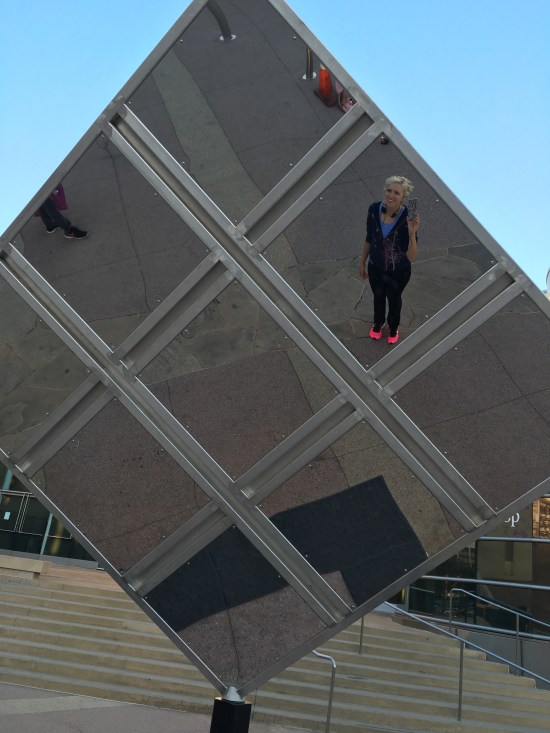
One of my favorite ways to see a city on foot is to take what I’ve lovingly coined a “run-walk.”

image.jpeg

I’m a fan of running, and it’s nice to see new places and things in a city while also getting exercise. However, a lot of times when I’m just running, I don’t stop and really appreciate the scenery, nor do I take my touristy photos on the way. But when I’m solely walking, I don’t usually get as far, nor do I get the extra exercise I can get while on a run.

image.jpeg

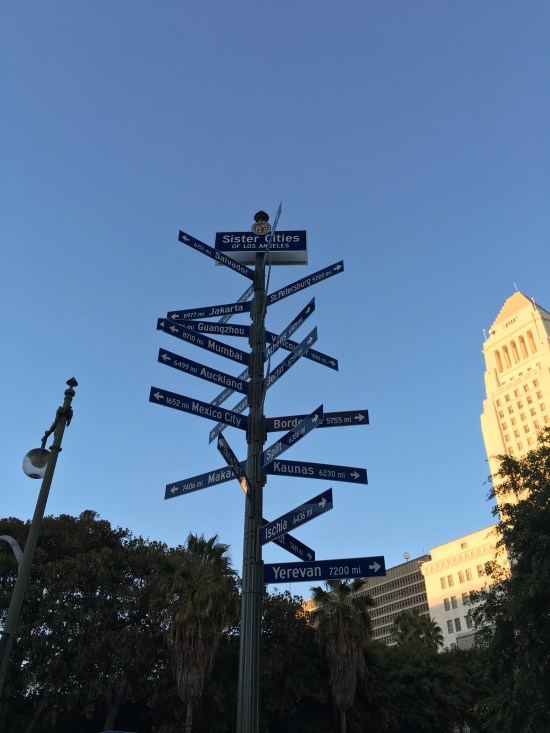
I used to have a travel blog called You Somewhere Else where I wrote about travel tips as well as run walks and other fun and possibly useful travel habits. I’d photo blogged about my Seattle run walk before, and now I’ll share my Downtown LA one.

What’s great about a run walk is when something interesting comes up, you can stop running, and simply walk and take photos.

image.jpeg

Run-walks are usually longer than your run, but way shorter than a walk, because you can cover more ground faster. You can also run right past the boring spots.  You’re allowed to stop whenever you want and take as much time as you like.

image.jpeg


You can take pictures of bizarre things that strike you.

image.jpeg

Or scary things that make you want to go the other way.

image

Or funny things.

image.jpeg

Things that kind of remind you of home.image.jpeg

Things that seem to come out of nowhere.

image.jpeg

Touristy things that are still cool to you.

image

Things that are happy but sad at the same time.

image.jpeg

And beautiful things you may never have noticed.

image.jpeg

No matter what you choose to photograph and explore, I highly suggest run-walks in new cities, at least one time. They’re a laid back yet energized way to open your eyes to new sites. Enjoy the journey!


What Do You Value Most In A Friendship?

Is is loyalty? Acceptance? Similar interests? Kindness? Ability to make you laugh?

Has what you valued in your friendships changed as you’ve gotten older?

Loyalty is pretty high up there for me, but I would say I’m most drawn to open minded people who are free-spirited. Also, the word wild keeps coming up for me when I think of characteristics I value in a friend. I don’t mean “wild” in a  party-all-the-time type of way (though I do love a good drinking buddy), but rather, up for adventures, new projects, and a general open-mindedness to how we, as human beings, can exist in the world. I’m often attracted to people who march (happily) to the beat of their own drummer. Friends like that encourage me to do the same.

As I’ve moved into my 30s, I’ve found it more difficult to make friends, so one quality that I now always look for is someone who prioritizes friendships. People who don’t call me to hang out only when their boyfriend is out of town, or when they want some specific information from me. I want friends who value friendship – and see that it has an equally important place in one’s life as romantic partners and even family.

“One of the most beautiful qualities of true friendship is to understand and to be understood.”
– Lucius Annaeus Seneca

“I define friendship as a bond that transcends all barriers. When you are ready to expect anything and everything from friends, good, bad or ugly… that’s what I call true friendship.”
– Harbhajan Singh

“What do you most value in your friends?
Their continued existence.”
― Christopher Hitchens, Hitch-22: A Memoir

images.jpeg

Are You Using Only 10 Percent of Your Power in Your Thirties?

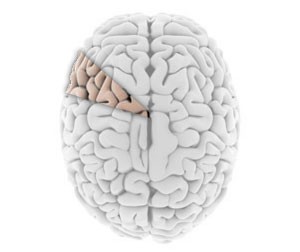
We all know that the widely believed scientific fact about us using only 10 percent of our brain has been proven to be a myth. Hopefully you know that we use 100 percent of our brains (well, most people anyway). If you don’t know that we use more than 10 percent of our brainpower, now you do. Here’s even more info proving the old myth wrong.

However, even though we’re using our brain’s full capabilities, sometimes I feel like we’re only using 10 percent of our full power in general. We have at least thirty years of habitual behavior behind us, and it’s very easy to fall into the same patterns.

One of my newest consistent habits has been practicing meditation. It’s an interesting new habit, because I’ve been pretty consistent about it, but it’s still very new as far as consistent habits go. I’ve been meditating for a little over a year now, whereas I’ve been brushing my teeth for over 31 years, traveling consistently for 8 years, making vegetable juices and smoothies for 6 years..you get the point.

What I’m saying is that new habits are hard to create, but when you create them and stick to them they start getting easier and will become a consistent part of your life. The issue with this is that bad habits also become easier and more consistent parts of your life the more you practice them.

I’ve had some really big bad habits forever. These include habits like:

-Procrastination on big, important things

-Relying on what other people think to determine my happiness

-Fear of confrontation

-Time management issues

When it comes to big, bad habits, change can seem frightening. But we have to remember that changing bad habits only takes many small steps.. and a lot of courage. It’s not easy to change bad habits, the same way it isn’t easy to create good habits. As I said before, the old habits we have have been going strong for over 30 years. But as I wrote about in the post “It Hurts. So What?”, sometimes you have to be courageous and get through the painful things in life day by day and bit by bit.

Deepak Chopra said during one of my guided meditations, that sometimes we’re standing in a river but we’re trying to drink from a thimble; It was an eye opening metaphor. When I feel like “I’m never going to manage my time better..I’ll never do what I really need to do!” or “I don’t know how I’ll ever do bigger and better things! Life will always be the same!” I think that I’m drinking from a thimble while standing in a river- I’m trying so hard to gulp every last drop of water from the tiniest cup but I’m too habituated in fear and desperation patterns to see that I’m standing in a river flowing with water. Wouldn’t it be funny if my fear and desperation while looking into the tiniest thimble blinded me to the river of possibilities that I was standing right in?

This can be seen even in the smallest cases- for example, yesterday I was logging in to the WIFI at the Marriott where I’m staying for work. Every day my computer logged me off the WIFI and I had to log back in again. It was really frustrating until I realized that I was selecting a button that said ‘Log in for ONE day.’ There was a drop down menu where I could’ve selected “log in for TWO days.” Or even “log in for TEN days.” I just habitually kept clicking ONE over and over and over.

Seize your power on both large scales and small…it’s all about creating new habits and breaking old ones. Don’t settle for the old habits that probably make up about 10 percent of what you can do. Stop looking into the thimble and see the damn river all around you. I swear it’s there! Don’t keep doing ONE mildly okay thing when you can have TEN great things!

1864c8cqmc1dzjpg-10b97ob-300x252 (1)

Are You Dating Someone You’re Simply Tolerating?

You know that excited feeling when you’re doing something you really want to do and you’re doing it really well?

Maybe you’re totally in the zone at work. Or you’re giving a speech and people are laughing, hollering and applauding. Or you’re working on an artistic project and your creative juices are absolutely flowing. Or you’re about to see your best friend and have a blast and you’re just like ‘hell yeah!’

That feeling of ‘hell yeah!’ is one of the best feelings ever! Things just feel so right. Wouldn’t it be amazing to surround yourself only with people that give you that feeling?

When you’re with people who give you that kind of excited buzz inside, time seems to fly by and even a cup of coffee together can become an adventure. I have lots of people like that in my life who I’m absolutely thrilled to hang out with- and I’m honored to call them my friends and family.

However, in the dating and relationship world, all of this excited buzz can sometimes become an anxiety-filled drone. The rules of the exciting buzz in the friendship world seem to warp in the dating and relationship world; It’s a funny gray area where the following stressful thoughts may become commonplace:

  • How come she didn’t text me for three days?
  • What does he mean when he says he’s scared of a relationship?
  • Why is he acting moody no matter what I do? Has he stopped liking me?
  • Why is she acting distant and cold for weeks?
  • Why are his texts so short and he asks me no questions about myself?
  • How come he was nice to me yesterday but seems to be ignoring me today?

Today, Jane forwarded me a HuffPo article called “What It Really Means When A Guy Says He’s Scared.” The gist of the article is that when a guy says he’s scared of dating you or having a relationship, it’s actually total BS. I already knew this fact, but it’s a good reminder. The HuffPo article was basically a one page version of the book “He’s Just Not That Into You.” Basically, the author says that only one out of ten guys saying something like “I’m scared of dating you/being in a relationship with you/marrying you” really means it (and you don’t actually want that one guy who really means it anyway- I’ll explain why in a second).

Okay, it’s been a second. Basically, the article references something I’ve written about before on this blog, but my post was over a year ago, so I feel the message (since it’s extremely important and useful) needs repeating. Here’s the message, in so many words:

If something is not a “fuck yes!” then it’s a no. 

That’s it. This is a mantra for most of life, but it’s especially true in relationships.

Mark Manson explains it best in his brilliant article, aptly titled “Fuck Yes or No.” Here’s the law of fuck yes or no, succinctly written by Manson:

The Law of “Fuck Yes or No” states that when you want to get involved with someone new, in whatever capacity, they must inspire you to say “Fuck Yes” in order for you to proceed with them.

The Law of “Fuck Yes or No” also states that when you want to get involved with someone new, in whatever capacity, THEY must respond with a “Fuck Yes” in order for you to proceed with them.

That’s it. It’s simple. Live this law, and your dating/relationship life will get so much brighter.

So if someone hasn’t been texting you back for days, then they aren’t saying ‘fuck yes’ to you, so it’s a no. Simple. Move on.

If someone has been awesome to you on dates but then disappears until you stalk them down, it doesn’t seem like they’re saying ‘fuck yes’ to you. So say ‘fuck no’ to them. And move on.

If you’re constantly feeling anxious and stressed around a person you’ve been seeing, you’re not feeling ‘fuck yes’ around them. Cut ties. Go forward.

Most dating advice out there exists to fix a gray area: “what exactly can I say to make her like me?” “What should I wear to make him want me?” “How do I ‘play the game’ to make him call?” “What can I do to make him text more?”

But what if it’s simpler than that? If you’re uncertain for quite awhile, it’s a gray area, and therefore not a ‘fuck yes.’ Don’t you want to date someone who you know is saying “fuck yes!” to being with you? Don’t you want to have that wonderful buzz of “fuck yes!” when dating someone? Imagine NOT having to sit in that damn gray area where you’re trying to CONVINCE someone to say say ‘fuck yes’ to you! Or, possibly even worse, trying to convince yourself to say ‘fuck yes’ to someone who just doesn’t do it for you.

Here are some of the benefits of the fuck yes or no dating style, once again in the genius words of Mark Manson:

  1. “No longer be strung along by people who aren’t that into you. End all of the headaches. End the wishing and hoping. End the disappoint and anger that inevitably follows. Start practicing self-respect. Become the rejector, not the rejected.
  2. No longer pursue people you are so-so on for ego purposes. We’ve all been there. We were so-so about somebody, but we went along with it because nothing better was around. And we all have a few we’d like to take back. No more.
  3. Consent issues are instantly resolved. If someone is playing games with you, playing hard to get, or pressuring you into doing something you’re unsure about, your answer is now easy. Or as I often like to say in regards to dating, “If you have to ask, then that’s your answer.”
  4. Establish strong personal boundaries and enforce them. Maintaining strong boundaries not only makes one more confident and attractive, but also helps to preserve one’s sanity in the long-run.
  5. Always know where you stand with the other person. Since you’re now freeing up so much time and energy from people you’re not that into, and people who are not that into you, you now find yourself perpetually in interactions where people’s intentions are clear and enthusiastic. Sweet!”

Adopt this mentality, and reap the benefits of lots of ‘fuck yes’ time spent with exciting things and people who actually bring you joy!

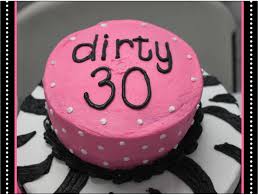
Origin of the Expression “Dirty Thirty”

When you turned 30, did you or people you know make reference to “dirty thirty”? Maybe you hosted or attended a ‘dirty thirty’ birthday party, or maybe someone just said “Ooooh, the dirty thirty” when you told them you were turning 30. I always wondered the origin of the expression. Is it a time when people let loose and go wild? I assumed it involved drinking and questionable behavior. Kind of like bachelorette party style fun.

I never bothered to look it up – until yesterday, when I saw that a comedy film titled “Dirty Thirty” was green lit (the film industry term for a film getting made), and that it would star YouTube celebrities Grace Helbig, Mamrie Hart, and Hannah Hart. I was immediately intrigued and decided it was finally time I researched this expression.

So, I did a little googling and found out that the origin of the expression is far more upsetting than I suspected.images

The top definition on Urban Dictionary is:

The age at which single women without children realise that their biological clock is ticking, As a consequence they may lower their standards and increase their willingness to perform sexual acts as a matter of desperation in order to find a mate/sexual partner. They may also attempt to hook up with younger males as an attempt to elongate their youth.

AAH! That is not what I thought it would be at all. Yuck. I hate it.

I’ve decided that I will officially ban myself from using that expression. Granted, that’s only the Urban Dictionary definition, but still. I don’t like it one bit.

Thankfully, the film “Dirty Thirty” doesn’t sound like it’s anything about women lowering their standards, so that’s good.

Budgeting in Your 30’s When You Hate Budgeting

For all the writing I do about finance and money goals, I really hate to budget. I just can’t stand it.

Perhaps this is because I’m already a big saver, so when I want something, I usually REALLY want it, and not much is going to stand in my way. I hate not listening to my own written budget, but I wouldn’t listen if I really wanted something badly, so I feel like I’d probably go over budget lot of the time, and then I’d kick myself. Ok, so this is actually a self-control issue. :/

I walked around forever with budget hatred burning a hole in the pit of my stomach until recently, when I read an article and realized I’d been kind of following an unofficial budget strategy all along. I googled the info in that article and came upon even more articles that outlined alternative budgeting strategies. Turns out, I naturally follow a common budget strategy called the 80/20 budget, though my version is actually a 70/30 budget.

The 80/20 budget is basically the simplest and least detailed way to budget ever. And I love it, because the details of budgeting make me nuts. Here’s how it works: when you get a paycheck, 20 percent goes to savings. The rest is fair game to divide between needs and wants. That’s it.

This is kind of amazing if you’re never sure how much you’re going to spend in any given month- no matter what, you’ll still be saving. I do a 70/30 budget, or actually a 70/10/10/10 budget, which is only slightly different than the 80/20. The way it works is:

  1. I get a paycheck
  2. I put 10 percent in my retirement account immediately
  3. I put 10 percent in my savings account immediately
  4. I put 10 percent towards my student loan immediately (this is always in addition to the minimum monthly fee I pay)
  5. Then the other 70 percent is divided as best I can among EVERYTHING else without making a budget.
  6. Within the 70 percent, my NEEDS include: Rent, utilities, and student loan minimums (definite needs), as well as food, metrocards (transit), laundry money, and toiletries.
  7. Also within the 70 percent are WANTS including: eating out and or/drinking with friends, food and coffee and green juice splurges, new shoes or clothes, tickets to theater, subscriptions to Spotify and Hulu.

Don’t get me wrong- it’s probably best to actually budget everything out little by little with a food budget, a clothing budget, and an eating out with friends budget. But I’ve never done this, and I don’t know if I’d stick to it if I did. So I think it’s better to at least have SOME sort of budget! And with the 80/20 (or 70/30, or even 60/40) budget, you’re at least still saving. If you don’t have students loans, I’d recommend putting at least 10-15 percent of your paycheck immediately into your retirement account, and then 10-15 percent immediately into a savings account.

What’s funny about taking a certain percentage out of your paycheck right away and paying down a debt and/or putting it into savings is how little you notice that the money is gone. It’s a strange phenomenon! Try it if you don’t believe me. Take 10 percent out of your paycheck immediately each month and put it into savings…you probably won’t even miss it! And if you do, you can always take it back. I wouldn’t recommend it…but the whole point is that your savings account belongs to you! 🙂

83605628

Evolving Friendships in Our 30s

How have your friendships changed in your 30s? Because I’m certain they have. I’m sure lots of your friends have settled down, gotten married and had children. Many of mine have. Or, maybe your friends aren’t married but they’re spending most of their time with their serious significant other. Which means they don’t have as much time for friends. Friends are compartmentalized in a different way. And look, I get it. That was me. For six years, I wanted to be with my boyfriend most of the time. I relished our nights of take-out and Netflix, and while I did see friends, I didn’t make as much of an effort to make new friends when I moved to LA – because I already had a close confidante to spend most nights with.

And that plan worked. Until it didn’t work anymore. Because we broke up. And I realized that I was alone in a city where I didn’t have a strong enough support system to sustain me. I am lucky because I did go to graduate school here, and did make a few wonderful friends (thank you!), but the geography of the city, me not being a driver, and the newness of my friendships has made it challenging. I don’t want to burden my new friends with my depression and heartache. In fact, most of the people I talk regularly are from home…NYC. Be it via phone, text or on g-chat. I don’t know if that’s entirely healthy, but it works. Friends are friends, right?

I’m kind of obsessed with friendship (being an only child and all) and this recent article in The Atlantic resonated with me, How Friendships Change In Adulthood. The article is fascinating and worth the read. Here are some fun factoids I took away from the read:

There are three main expectations of a close friend that most of us have:

  • Somebody to talk to
  • Someone to depend on
  • Someone to enjoy

The author writes that by middle age, we have three different types of friendships.

These friendships fall into three categories: active, dormant, and commemorative. Friendships are active if you are in touch regularly, you could call on them for emotional support and it wouldn’t be weird, if you pretty much know what’s going on with their lives at this moment. A dormant friendship has history, maybe you haven’t talked in a while, but you still think of that person as a friend. You’d be happy to hear from them and if you were in their city, you’d definitely meet up. A commemorative friend is not someone you expect to hear from, or see, maybe ever again. But they were important to you at an earlier time in your life, and you think of them fondly for that reason, and still consider them a friend.

-Julie Beck

It’s an interesting way to characterize friendships. Do you feel these are accurate buckets for friendships? I think there’s a lot of overlap between active and dormant friendships.

Personally, I know I need to work to gain more active friendships. A lot of that is on me.  I get nervous initiating plans, and over-think asking someone to hang out. But it’s something I’m aware of and can work on.

How do you feel your friendships have changed in your 30s?