Has A Breakup Nearly Destroyed You In Your Thirties?

My friend Seth went through a really bad breakup a few years back. When I say bad, I mean horrendous. Bad to the point that it took him almost two years to get over it…and during that time he was anxious almost every day and couldn’t sleep. His anxiety about the breakup permeated every corner of his thoughts and dreams…and turned the act of sleeping into a constant nightmare.

I remember meeting up with him during this time and barely recognizing him. He felt like a shell of the boisterous, smiley person he usually is. Seth is a self-employed composer and lyricist who is always extremely creative and prolific, writing songs at all hours of the day and night, playing piano at auditions, and presenting showcases of his work. He even has his own webseries.

However, during the years after his breakup, he was on so many different anti-anxiety medications and sleeping pills that he could barely function…and he’s the type of person who normally never even drinks coffee because it makes him jittery. Both Seth’s nights and days were wrecked, first by his ex’s departure, and then by the constant anxiety and even panic attacks that just wouldn’t go away.

My friend Seth and I in better times.

Seth and me in later, happier times.

Have you ever gone through a breakup that leaves you reeling for far longer than you think it should? Have you ever felt like you were the only one who just couldn’t let it go? Did you think you were going to marry the person who left, or did the person end up leaving the marriage you already had? Have you ever had even your absolute best friends wonder when you were going to get over it? This happens to people way more often than you think.

There’s no set timeline on grief, and a breakup is legitimately a loss. Breakups can feel kind of like mini deaths that you have to grieve and eventually move on from. Any act of grieving can take quite awhile, leading to intense discomfort, especially around your friends and family who may just want you to ‘get over it.’

It’s hard to just get over something on a timeline, and the time needed for grieving any particular loss is personal and unknown.This recovery time includes breakups as well as deaths- any type of loss can take a very long time to get over, really. Sometimes grief can even go away for awhile and then return as an intense sneak attack!

When Seth finally started to recover, and even during his grieving process, he attempted to open up to others about what he was going through. Little by little, he heard similar stories from friends who experienced similar breakups that brought them to the ground.
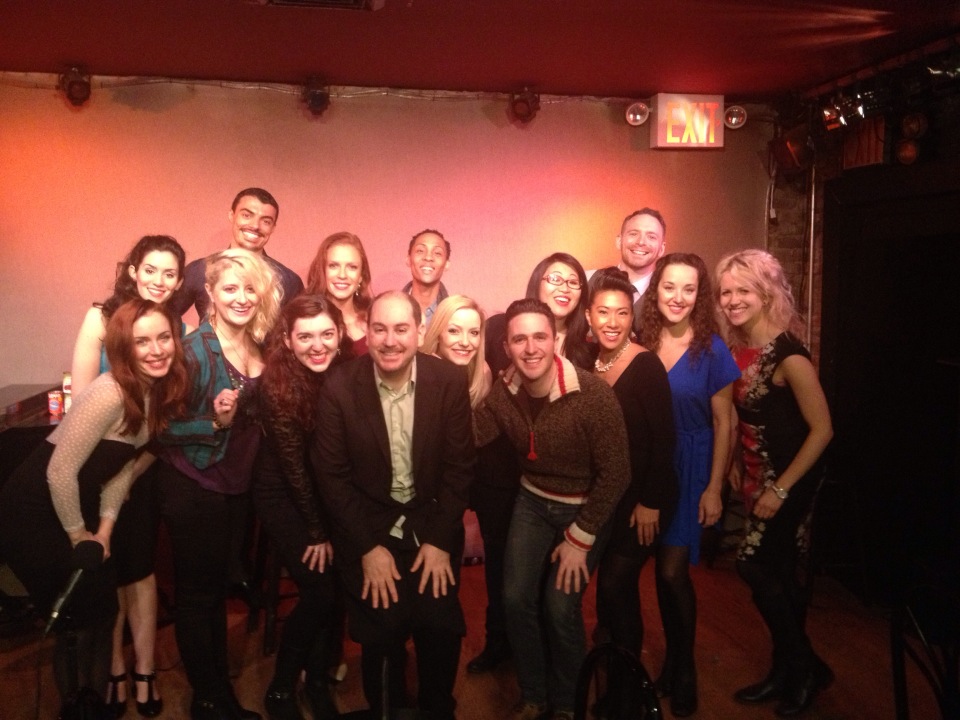
Seth and I after his recovery, when I directed his concert, Broadway Meows, benefitting the Humane Society

Seth and me after his recovery. I directed his Humane Society benefit concert, Broadway Meows

Seth realized how helpful it was to have friends around him and people who understood his situation. And it was extremely helpful to realize that other people had gone through similar situations after a breakup.

So he wrote a book to share his experiences.
download (8)

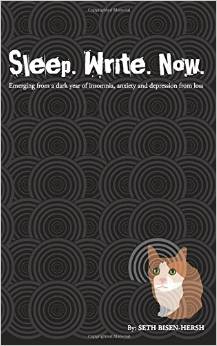
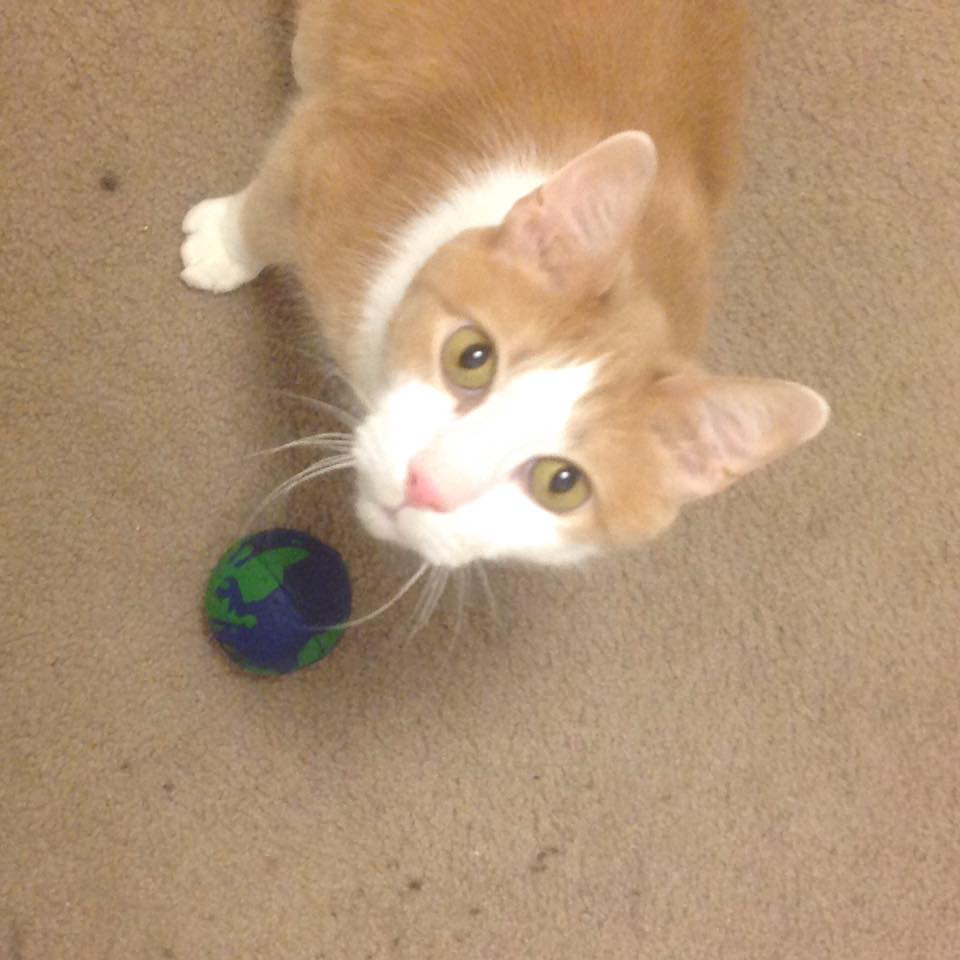
The book is called Sleep. Write. Nowand it chronicles his entire spiral into depression and insomnia after the breakup, and his very, very slow recovery. The book is breathtakingly open and vulnerable regarding the painful moments that occur after a breakup, from the embarrassing (private journal entries of positive affirmations that all don’t work) to the horrendous (loss of friends after recovery ‘took too long’ and he was ‘still too obsessed with her’) to the hilarious and touching (how his cat helped him through some of his darkest moments.)

I highly recommend Sleep.Write. Now, and it’s easy to grab on Amazon. The book is an amazing read for anyone who’s gone through or is going through a traumatizing breakup and feels alone. Remember, grieving takes time and it can take a lot more time than you think it will. Breakups are a natural part of life (you can’t marry everyone you date!) and rejection happens to everyone.

Always remember- you are not alone.
 11173372_884124814958909_1589487851339907414_n

Impossible Magic You Can Do When Single In Your Thirties

There have been many times when I’ve heard a thirty-something friend of mine say “I’m getting old for that” or “I used to be able to ______, but now I can’t because my body doesn’t work the same way as it used to when I was younger.”

I’ve been guilty of saying both of those lines myself.

However, a lot of the time I realize that the things that I used to do when I was younger but now feel like are harder to do in my thirties are things that I never really liked to do in the first place.

Here are three examples:

-Going clubbing (I always disliked it, but now happily have the ‘I’m too old for this’ excuse)

-Starving myself thin (This sucked! It just felt like a necessity in my teens and twenties. Now I’m just like ‘I’m beyond this bullshit. I eat for strength, health and enjoyment.’)

-Drinking until I was sick (Umm, who wants to be sick? The proper phrasing for avoiding this now is: “I know my limits, thank you.”)

However, something I used to do when I was younger that I’d stopped doing for awhile but always liked was staying up late and getting a crazy amount done at once. You see, I’m a night owl by nature, hence I work best at night. Since the world isn’t built for night owls, I feel like what I’m supposed to do is get up at 5:30am (crack of dawn) and hammer out work. Start with the gym, maybe marathon training, and then work steadily until evening, when I should settle down with some TV and food and a reasonable 10:30 bedtime. But this is exhausting to me. What I like better is staying up late, sleeping in, dawdling for quite awhile, then getting into a routine of an afternoon gym session and working hardcore into the night.

And I recently realized that the reason I haven’t done this in awhile wasn’t because I was getting older but because I wasn’t single.

I matched my schedule to the person I was dating. I felt guilty and weird working into the night. I’d get up early and would never get as much done because I never really got into my peak work stride.

And now that I’ve been single for a little while, I’m starting to get back into the habit of making my own schedule and getting crazy amounts done at night, on my own.

So let’s add another awesome perk to being single in your thirties, or any older years: go back to doing the things you liked to do when you were younger but may have put aside for someone else. Now’s your time! You are still very young! Enjoy it!

photo (21)

Tonight I went to the 24 hour Duane Reade at 1am because I needed something. And you know what? I’d rather go at 1am then at 7am because that’s the way I like to live life!

A Crazy Marriage Statistic Courtesy of Aziz Ansari

Comedian Aziz Ansari has partnered up with sociologist Eric Klinenberg to write a book on modern dating titled Modern Romance. Ansari has been doing tons of press for the book, and in a recent interview with Entertainment Weekly, he shared a “stat that rocked his world” – about marriage. The statistic was that in 1967, a study was done that revealed that 76% of women would marry someone they were not romantically in love with. Is that crazy or what? At first I was blown away, but when I started thinking about it, in the 1960’s, wo41LaBpUJBHL._SY344_BO1,204,203,200_men of marrying age would have been raised by homemaker mothers and influenced in many ways by the culture of the 1950’s, which were their formative years.

Playing the devil’s advocate here, maybe it’s not so crazy to marry someone you’re not romantically in love with. when you really think about it. Especially in light of the success of many arranged marriages. Sometimes, the passion grows over time. I know a few people whose first few dates with their future husbands were lackluster, but their relationships ended up evolving into something more passionate. I’ve been watching their stellar show on FYI (owned by A&E) called Marriage at First Sight and it’s highly addictive. Have you seen it? I’m only on Season 1, and I know there’s some major controversy in Season 2, but so far, I’m loving it. The premise is that strangers are paired up together by a sociologist, sexologist and a psychologist based on extensive questionnaires they all take before they are matched up.

M5A2vKrHp6E.market_maxres

I like the show because it feels real and more about the psychological principles behind making a relationship work, as opposed to cheap thrills reality entertainment. I’m going to have to keep watching to see if any of the three couples in Season 1 make it work!

Going back to the study Ansari referenced, what do you think about the statistic (the percentage of women who would marry someone they’re not romantically interested in).  What do you think the percentage would be if the study was done today?

What If You’re Ambivalent About Having Children?

When I should have paying attention to my professor in class this afternoon, I found myself riveted by this article in NY Mag, I Was a Proud Non-Breeder. I Changed My Mind by Michelle Goldberg. In the article, she talks about how she never wanted children and publicly declared so in an essay on Salon when she was 27 years old. But by the time she turned 35, her perspective started to shift. Her realization began this way:

“My own transformation didn’t begin with an unbidden outbreak of baby lust or a sudden longing for domesticity. It began, weirdly enough, when I learned about corpses becoming fathers. In 2011, I reported a piece for Tablet Magazine about the strange Israeli campaign for posthumous reproduction. Israel is the world capital of reproductive technology, and a legal group called New Family wanted to give parents who had lost adult sons the right to extract their sperm and create grandchildren. I have mixed feelings about making dads out of dead men, particularly if they hadn’t donated their sperm while living, but I remember being seized by the realization that if my husband were to die young, I’d want to be able to do it to him.”

How interesting that what sparked Goldberg’s shift towards the idea of possibly having children was other people’s inability to do so. This article got me thinking about my own feelings about having children. I’m not ambivalent per say, because I know I would like children eventually. But I don’t feel the urge right now, which is problematic being that I’m 33 years old. I feel like I want to accomplish more in Babiesmy career, and get further ahead before I bring a little one into the world. But I also fear that if I have a child before I’ve succeeded, I may resent my child for taking up my time when I could be writing and producing creative work.

Often times, I wish I had a very strong pull towards having children – one that would usurp all other purposeful pulls in my life. However, for now having children seems to rest in a more nebulous area of my ‘life wants.’ In two years, when I’m 35, my soon-to-be husband and I will have to start really diving into that nebulous area and make a solid plan.

So the tricky thing is, what do you do when you don’t feel an incredibly strong urge to have children, but you’re approaching your mid-thirties?

A Thirty-Something Year Old Virgin

Sex is something some people like to talk about and some people don’t.

I always thought the people who didn’t talk about it were just private people, or very conservative, or  just not into TMI, or found talking about sex to be crude. But a few people aren’t talking because they’re virgins.

Actually, 4% of the US population are virgins (according to the Center For Disease Control’s Health Statistics Report.) It makes sense that some of those 4% of virgins are in their 30’s.

I remember directing a production of Savage In Limbo in college and thinking that it’s crazy and impossible to be a 32 year old virgin. I was 19 at the time and didn’t really understand the play the way I do now. All of the 5 characters in the play are 32, lost, and frequenting the same tired bar that they went to in high school together. Not much has changed in their lives.

The 32 year old main character, Denise Savage, has never had sex. When asked what it’s like to still be a virgin, Denise says:

“In the beginning, it was just bad luck.  I’m not like you, and I got a big mouth, and well, it’s easy not to lose it at first.  You’re scared, they’re scared, somebody says: Boo, and everybody runs away.  At least that’s the way it was for me.  To start with.  But then it became a thing.  Most everybody I knew lost it, you know, over a certain period a time, and there I was, still in the wrapper.  It woulda been easy to lose it then.  But it became a thing, you know?  I felt different.  I felt like I was holdin out for somethin, sayin no, no, I’m not takin that life just cause it was the first one I was offered. So here I am.  I’m thirty-two.  And I’m still sayin no, no.  And I still only got offered the one life, and I still don’t want that one.”

Savage In Limbo is about 32 year olds who’ve stagnated and aren’t moving along with their lives. They all worry about the accidental limbo they’re stuck in, the ever-present and problematic “sameness.” But for some 30-something year old virgins, virginity isn’t accidental and it definitely isn’t problematic.

In an article I read recently, It Makes For Awkward Conversation: What It’s Like To Be A 30-Year-Old Virgin, one woman talks happily and openly about her decision to maintain abstinence. She even wrote a book about it! She says,

“I decided to write my book on my abstinence experience when people were continually shocked that I was a virgin. People’s first response after being informed that I’m a virgin is usually, ‘No you’re not,’ justifying their claim by pointing out the way I dress or my outgoing attitude. Then there are people who are confused and ask, ‘But why? You’re pretty’ as if every virgin is a virgin because no one desires them. I began to realize that my look and attitude did not fit the idea of a virgin that many had. So, I decided to share my journey and give a new face, dress and attitude to the virgin. As readers are invited on my journey of abstinence they will realize that I have had plenty of guys who were willing to introduce me to the pleasures of sex and that I have even had to suppress my own urges when my body’s desires were not aligned with my decision. I want to make it clear that there are women and men who are adult virgins not because we are not desired by the opposite sex, but for reasons that all drive the choice that we have made.”

In the comments section of the article, many virgins, men and women, anonymously write about how they’ve been afraid to share their stories, and don’t like when conversations turn to sex, because they have nothing to add, or are ashamed to talk about it, even when it’s a personal choice.

I believe that no one should be made to feel ashamed for their choice to stay abstinent- it just may not be well- understood. I didn’t know that so many 30-somethings are virgins, by choice or otherwise, but I’ve actually had more than one 30-something friend open up to me about it! If you are a 30-something virgin, don’t be ashamed or feel the need to hide! You don’t need any more pressure added to the already long list of pressures in your thirties. The aforementioned article says it best:

“The Dirty Thirty. It’s an age where your concept of what being old is has changed because you are now at the age you once thought was on the precipice of old. You are finally making strides in your career while your student loan payments are devouring your income. You are getting a grasp on your life goals and have set a plan in motion to achieve them. The idea of becoming a responsible adult begins to set in, and the pressure of settling down becomes a reality. With all of the adulthood responsibilities your thirties bring, a few women have added “maintaining abstinence” to their list.”

I couldn't find any of my  photos from my college production of Savage In Limbo (sadness), but I did find quite the provocative photo from a University of Alberta production in 2010.

I couldn’t find any photos from my college production of Savage In Limbo (sadness- they’re on my old hard drive), but I did find quite the  intensely provocative postcard image from a University of Alberta production in 2010.

A Different Kind of Marriage in your Thirties

Ellen McCarthy, a wedding and relationships reporter at the Washington Post, spent years interviewing hundreds of couples about what makes relationships work and what doesn’t for the paper’s On Love column. Her book, The Real Thing, is an insiders scoop into what makes some marriages work and others..not work..and possibly end in divorce.

According to McCarthy, there seems to be two major keys to finding a marriage partner to be with for (hopefully) your entire life. They weren’t what I thought they’d be. At first I found them way too simple. But simplicity can be deceptive…

The two keys are:

1. Comfort
It turns out that so many of the spouses in successful marriages used the word ‘comfortable’ when talking about their significant other that McCarthy began to get worried when couples didn’t mention that word.
Comfortable in this case didn’t mean settling or boring. It meant that both spouses felt very much themselves in the relationship. The couple still had to work on the relationship of course, but the marriage just felt natural and they didn’t have to second guess themselves or tiptoe around one another. Both husband and wife were comfortably able to express themselves without fear. One person even said that the marriage sometimes felt like being alone while together …in the best way. They both still felt extremely free and independent while together in the relationship. This is the best kind of interdependence, I think.

2. Kindness
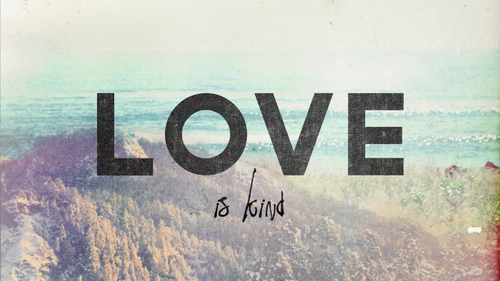
When asked what the most important quality a potential life partner could have, the answer was kindness, hands down. The marriages that lasted consisted of partners who were kind to one another…and kind people overall. One respondent said that her significant other was kind to everyone- kind to her, kind to himself, kind to friends, kind to dogs. Kindness is everything in a lasting marriage.
And why shouldn’t it be?

If you’re going to be with someone for life- and in this day and age that means another 60 possible years from your thirties(!)- why wouldn’t you choose someone who’s kind and who you can comfortably be yourself with?

This doesn’t mean that there aren’t butterflies, super hot moments, and great chemistry, and it doesn’t mean that everything is boring and tranquil. It just means that when looking for a life partner, kindness and comfort are great places to start…and continue.

Are you in an amazing marriage with a kind partner who you feel extremely comfortable with? Are these traits valuable to you? I know that I never had them high enough on my radar before, and they’ve recently moved to the top of my list. I don’t want to be with a person who seems great on paper, but isn’t kind. I want to be with a kind person who makes me feel comfortable and good about myself. The rest can be figured out thereafter.

love_is_kind

Baby, Career or Both?

The “Ask Polly” column on NY Mag.com is one of my (and Laura’s) favorite places to find advice. The writer behind the beautiful, insightful words of “Ask Polly” is Heather Havrilesky. She writes truthfully and warmly and she reminds me a bit of Cheryl Strayed (Author of Tiny, Beautiful Things and Wild). The most recent “Ask Polly” column was especially resonant for me as a 33 year old woman in a relationship who feels behind in her career yet also feels the pressure to have children in the next few years.

The letter (email?) writer was stuck in a dilemma. She wants children but she also wants a fulfilling career (and the job she’s in is not satisfying, so she wants to start over and find a job that satisfies her). She feels it impossible to do both. I can relate! I desperately want to find success as a screenwriter (or some semblance of success) before I have kids. But time keeps ticking away and  while my writing is getting better, the paychecks and job offers aren’t rolling in.

Heather ‘s (Polly’s!) advice was beautiful, per always. She advocated for the life of “All.” The life of everything even though it will be damn challenging.

This was my favorite part of her reply:

Bottom line: I was so fearful. But throwing my energy into both my kids and my career turned out so much better than I ever thought it could. And I became much more focused and ambitious after I had kids. I valued my time more. I used my time more wisely. All of the time I used to spend questioning myself and worrying about the big picture is now spent doing dishes and folding little dresses. A lot of the working mothers I know feel the same way.

…Imagine a full life and be true to that vision. Defend it. And put fear aside. You have one person with a steady job in the house. Don’t panic.

You can have it all. You may have to adjust the particulars of “IT” but trust me, “ALL” is what you want. It’s exhausting and it’s a balancing act and it’s way too much for anyone to handle, ever. That’s also what’s so gratifying about it.

This was a refreshing advice column to read, because I think it addresses the “perfectionist” trap we can get into as women. That we must excel in our careers and excel as mothers and homemakers living from Instagram worthy moment to Instagram worthy moment. So we end up feeling the need to choose one or the other.

But it seems the best option is this: if you want it all, you should aim for it all,  and not pre-emptively  cut yourself off from options. And yes, your life of “ALL” will probably be imperfect and messy.

Playing Dress-Up In Your Thirties

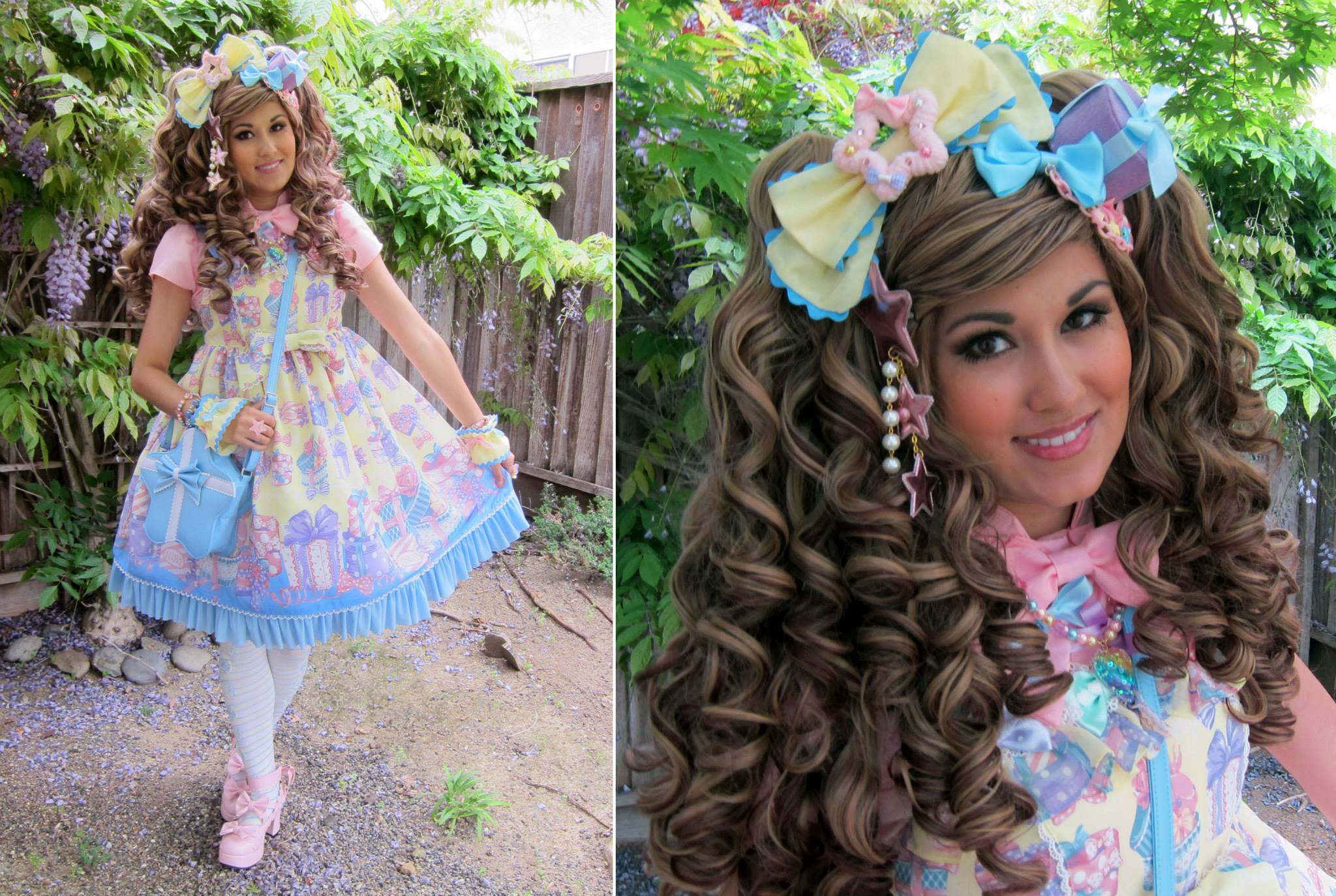
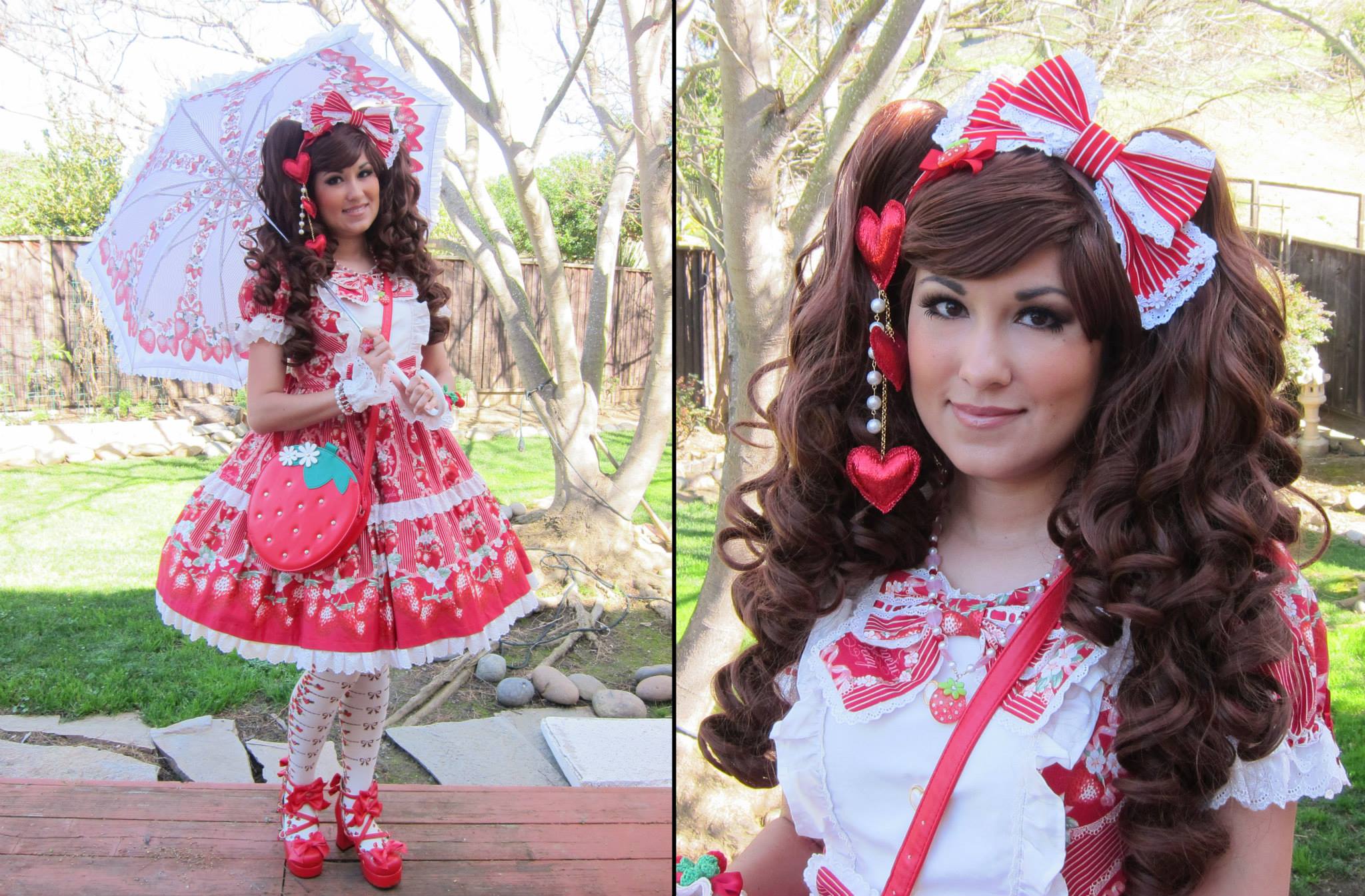
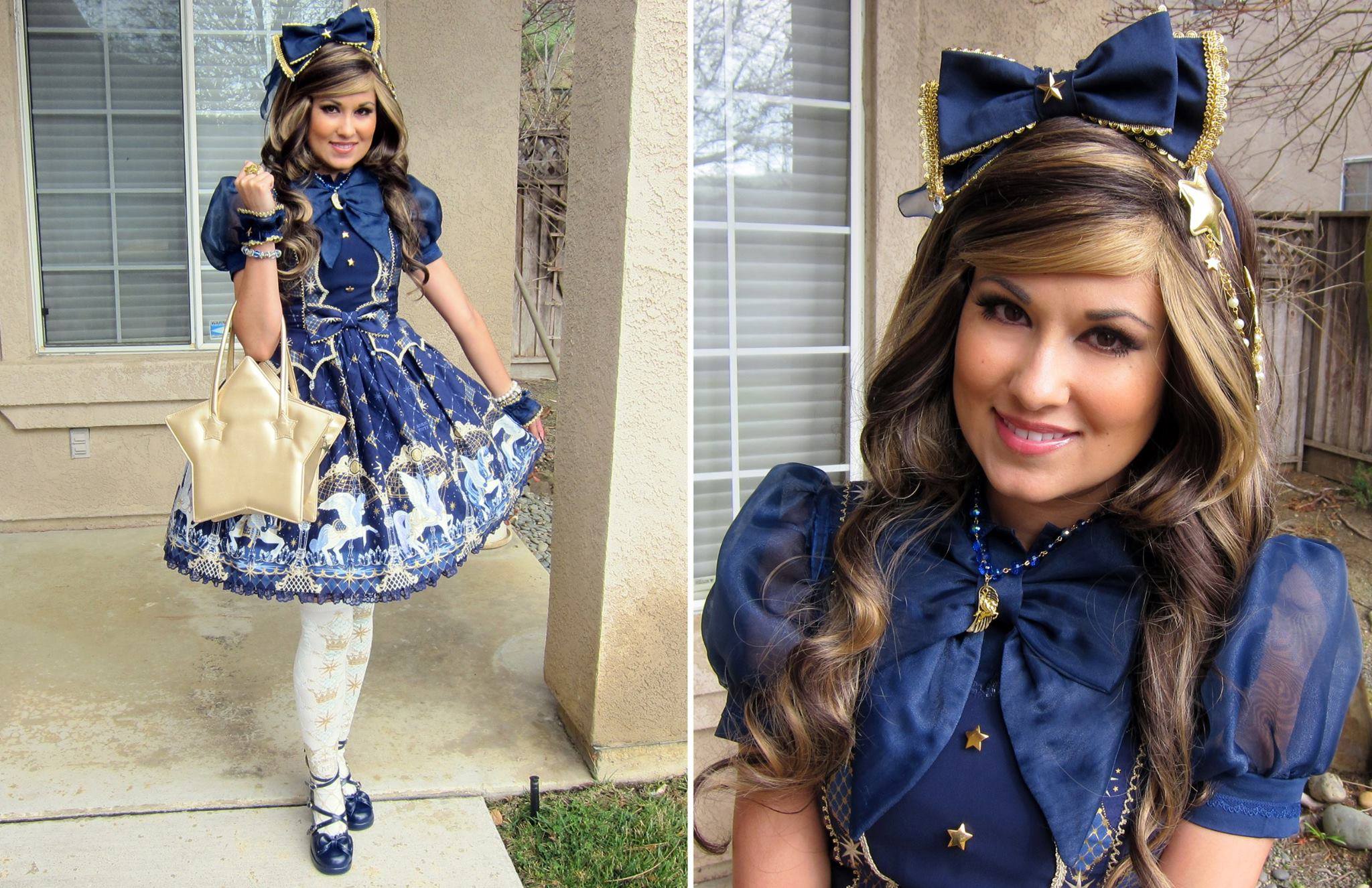
My good friend and coworker, Natasha, is checking on the status of her new dresses as I type. But these aren’t just any pretty  dresses- they are Lolita. And, at 32 years old, Natasha rocks out Lolita fashion.

1015692_890320344323155_935953453287775217_o (2)

This is Natasha as a Lolita.

Playing dress up isn’t just for kids. It never has been. But I never understood just how much dressing up is for adults too… until now.

Natasha is in her thirties and works tradeshows and autoshows with me. She’s always been great with makeup. She puts on false eyelashes perfectly before work in barely a minute- I’ve watched her in awe. She’s an amazing make-up artist- brilliant with shadows and all sorts of contouring.

Natasha sans special makeup:

936546_564916863530173_1256596469_n (1)

Natasha travels to a tradeshow

Natasha’s makeup masterpieces:

10516783_828502870504903_9010496836753489192_n

Halloween

10665864_823157721039418_3076007834445420270_n

Way too real latex makeup work…

10615381_796554653699725_2576205579906975234_n

Natasha is top right

I knew Natasha had recently gotten into Lolita dresses, but I never understood what that meant until very recently.

Lolita is a Japanese street fashion–  an alternative fashion subculture that originated in Japan and is now all over the world. The original Lolita shaped dress is knee length or slightly above the knee and is A-Line, cupcake or bell shaped with petticoats. These dresses are usually worn with OTKS (Over The Knee Socks) or tights. The dresses are extremely modest and the whole Lolita culture is actually based around femininity and modesty.

Since Natasha has always enjoyed playing with really fun make-up, I just thought she’d gotten into playing with fun dresses as well. I didn’t understand that there’s a whole Lolita culture actually based around rebellion. Yes, these cute little dresses are actually a Japanese fashion trend that says ‘screw the way I’m expected to dress. I wear what I want.’ It’s about wearing a pretty dress because you feel like it. Lolita culture doesn’t care what other people think.

Natasha says that sometimes she wears the dresses out to Lolita meetups and on the way people ask her what the special occasion is. Her sweet reply is basically that she felt like wearing a really pretty dress. Because why not? It’s awesome! And she’s awesome!

Lolita fashion says you don’t have to dress to attract anyone. So many times I’ve felt I need to dress the way I feel a man will like…whether I’m single or in a relationship. A lot of my women friends agree- we end up feeling the need to dress for men all the time. With Lolita, you dress to impress yourself. It’s freeing and powerful. One Lolita said:

“We certainly do not do this for the attention of men. Frequently, female sexuality is portrayed in a way that is palatable and accessible to men, and anything outside of that is intimidating. Something so unabashedly female is ultimately kind of scary – in fact, I consider it to be pretty confrontational. Dressing this way takes a certain kind of ownership of one’s own sexuality that wearing expected or regular things just does not.”

Lolita is about having fun and feeling pretty – not for others, but for you.

Lolita is creative and wild and it gives zero fucks. Kind of like the thirties, right? 🙂

So thanks, Natasha, for introducing me to the fascinating world of Lolita. And for being amazing, bold, passionate and just so very YOU!

11133889_911086762246513_1268405189538549982_o

1669808_890319297656593_6854195036141353387_oYou’re awesome!

Capstone or Cornerstone Marriage?

How do you view marriage? What does it mean to you? I’ve been thinking a lot lately about what marriage means to me. When you’ve been engaged for almost two years and haven’t started planning a wedding, you’re obviously going to do a little soul searching as to why you’re waiting and what it all means. To really wrap my head around it, I’ve tried to distance myself from the entire industrial marriage complex and the opinions of friends and family with the hopes of understanding the institution for myself.

I recently came across a fascinating distinction between two types of marriage, Capstone and Cornerstone, coined by a study put together by the National Marriage Project.

Here’s a loose definition:

Capstone marriage: Where marriage is seen as a kind of reward after you’ve accomplished a certain number of goals in your life, whether they are professional, personal, etc.

Cornerstone marriage: It’s where your marriage is your starting point, something from which you build a life.

To me, I’d have to say I view marriage more in the capstone way. It’s like an icing on the cake sort of deal. So, perhaps the reason I’ve delayed marriage is because I don’t feel like I’ve accomplished my career goals. But the scary thing is – considering how challenging my career choice is, I could be waiting FOREVER to get married if I’m waiting to be a professional success.

When I initially read about these definitions, I assumed that capstone and cornerstone marriages are simply a matter of age: if you marry young, that’s probably a cornerstone marriage. And marrying older is probably a capstone marriage. But, since I may marry before I’m professionally successful, is that a cornerstone marriage?

Semantics aside: I have reached one conclusion. I do think it’s important to mark transitions. Even if it’s a very personal marker between you and your partner. Marking the beginning of a new, committed journey. And to back that up, there was a statistic on the National Marriage Project that those people who “slide” into life transitions – i.e., those who don’t consciously decide to mark a transition by an official wedding and simply start co-habitating together,  are less likely to enjoy happy marriages.

Food for thought.

I’m Easily Distant…Even Now

Now that I’m thirty, I feel more comfortable with myself than I’ve ever felt in the past.

I’m eerily familiar with that weird vocal quirk in my voice I’ve had since third grade that people occasionally remind me I still have.

I know exactly what I should eat for breakfast in the morning to keep me going for at least 3 hours and not make me groggy (right now it’s bananas and peanuts butter, and/or a green smoothie plus coffee. It used to be oatmeal). Boring, but necessary for me to know.

Vegetarianism is part of my soul. I can’t imagine eating meat ever again. For now, anyway.

I’ve gone almost platinum blonde kinda by accident since the summer (I suddenly decided to dye my hair myself for the first time, and after much trial error and purple hair it just kinda happened). And I love it. Right now, anyway 😉

When I feel good, I feel really, really good. Overall my life seems to get better and better as I get older- I’ve always felt that way. I’m very much still working at feeling my best more often (I know it’s all waves), and tracking down major life goals that can help me move forward. I really want to master the subtle art of Not Giving A Fuck about unimportant things, which we’ve talked about a lot on this blog….more than once.  However, one of the things I’m really always working on, especially now that I know myself better, is being able to tell others what I need and want…after figuring out what I need and want.

It’s very easy for me to let friends, family, and significant others take the lead and pull me down their path without much resistance from me. I’m very good at going with the flow (something I really know about myself)- and that combined with a dislike of confrontation, an intense empathy for other people’s feelings, and a deep curiosity for other people’s habits and points of view can occasionally leave me feeling swept up in lives that are not my own. I can let others sweep me so far into their lives that I don’t even realize how distant I suddenly feel from myself.

I don’t know if that makes sense exactly or if it feels familiar to any of you. Or if you’ve outgrown this now that you’re in your thirties. But sometimes I’m the polar opposite of the ideal cool and collected thirty-something who doesn’t give a fuck. I used to give so many fucks about what other people thought that my life became a guessing game and I thought I was the ultimate winner of knowing what people wanted. All I cared about was making my favorite people happy and figuring out how to play their game correctly.

I doing so, I would sometimes lose what exactly I wanted and who I wanted to be. With my best friends, this didn’t really happen. But with acquaintances and romantic relationships, I would become distant from myself which would also lead to a certain distance from others. I couldn’t honestly communicate who I was and what I wanted because I myself wasn’t aware of what exactly I wanted. And once I figured it out, it felt scary to tell.

Sometimes that distance returns, even in my thirties. I find myself getting swept up in other people’s lives and dispositions once again, and I lose what I want and start to forget who I am. If I don’t stay in touch with myself by meditating, re-centering, talking to good friends, and expressing what I need, this old habit from the past seems to return.

It’s interesting that even though we can come so far by the time we’re in our thirties, those old traits from our younger days can still seem to be lurking around the corner, waiting for a time to reappear and scare the crap out of us. For now, anyway.

ghost

Your Marriage is More Important Than Your Wedding

This recent New York Times article , How to Avoid a Post-Wedding Letdown, is worth a read if you’re getting married or thinking of getting married at some point in the future. This article talks about the “post-wedding blues” that can sometimes occur after the wedding and how you can avoid that by going to pre-martial counseling to set expectations.

My boyfriend and I got engaged about two years ago. And no, we haven’t started wedding planning. It’s not that we don’t want to get married, but we’ve got a lot of other things on our plates – figuring out where to settle down, our careers, etc. that have taken precedence in our lives.

Sometimes I worry – is something wrong with me because I’m not foaming at the mouth with excitement about my wedding plans? But that worry quickly fades, because I know myself, and I know that I naturally don’t enjoy being the center of attention and that spending large sums of money gets me anxiety. I also know that when the time is right, we will marry. It also feels like there’s no reason to rush – nothing will fundamentally change after we marry – we’ve already been together for 6 years  and have lived together for more than half of that time. I’d rather wait until we have a little more money and life security so we can really show our friends and family a beautiful time together.

This was my favorite quote from the article.

“If the couple’s primary focus is on the wedding day itself rather than the marriage, then a crash is inevitable,” Dr. Charnas said. “However, if the emotional investment can be shifted from the wedding to the marriage and the couple’s partnership, then the perspective changes and the wedding is cast in a new light.”

Good words to take to heart. And to the altar.

What the hell, Tinder?! Blatant Ageism Towards People Over Thirty in the Online Dating Sphere

Tinder recently introduced a form of “surge pricing” for its famous dating app. They’re now charging American singles 30+ years of age twice what those under 30 will pay. The app will be $9.99 for those under 30, and $19.99 for those 30 and older.

In the UK, Tinder will charge the 28 and older single crowd more than FOUR times the cost for younger generations. Converted from pounds, this comes out to around $23 compared to around $6!

The price change comes as Tinder introduces it’s new Premium upgrade, Tinder Plus. If you use the free version of Tinder, it will still be free…for now.

Tinder can get away with charging whatever the heck it feels like because it’s owned by IAC/InterActiveCorp, which controls 27 percent of of the $2.2 billion dating-services industry. Included in IAC’s portfolio are Match.com and OkCupid. Heard of them?

Although I’ve personally never used Tinder (well, I’ve swiped through on a friend’s app), this price surging strikes me as blatant ageism. It’s discrimination pure and simple! Isn’t it difficult enough to be over 30 and single? Does there really need to be a dating app pointing out that you’re too old and therefore not as valuable to the online dating scene? There’s already a shameful age bias to being single over thirty – does Tinder really need to add to it?

Although it’s TINDER afterall, and you might expect them to pull a dick move like this, it’s still making a pretty awful statement. Tinder’s singling out older daters…just because it can. Even TechCrunch wrote an article titled New Tinder Charges Whatever It Wants. They say, “older users, who theoretically have less supply and offer less demand, pay a greater amount for extra dating tools.” Tinder’s excuse is basically that it’s courting the younger crowd, who “are more budget constrained, and need a lower price to pull the trigger.

I get the idea of this excuse (younger people are poorer), but the policy still sends a crappy message to quite a large group of “older” singles (who aren’t old at all). Plus, people in their 20’s aren’t necessarily poorer than people in their 30’s anyway. And the excuse just seems like a blatant marketing lie. Wired magazine says, in their article titled Yes, Tinder’s New Pricing is Ageist Pure And Simple, “why not just be honest: Tinder is charging us more because it thinks we are desperate. Desperate to find our last chance at love and willing to pay whatever it takes.”

I’m hoping that singles over 30 boycott the Premium Tinder until this price difference is adjusted. Possibly, we should boycott Tinder altogether for making such a biased statement. Hopefully Tinder gets the message and comes up with a middle ground price that’s equal for all ages.

Do I think this is likely? Nope. Do I think dating in your 30’s is fair? Nope. But one can dream.

download (5)

Being Single on Valentines Day in Your Thirties

This is the first time in 8 years that I’ll be single on Valentines Day.

And now I’m 30- an age where I watch many of my friends not only go out with their significant other for V-Day, but also get married and have (multiple) babies. I watch relationships bloom all around me, like the red rose bouquets popping up everywhere this time of year.

Is this familiar to you? Are you in your thirties and single and wondering what this holiday means for you..if anything? Are you single on what Hallmark and others call ‘the most romantic day of the year?’

Last Valentines Day, if you told me I’d be single this year, on this day, I might have cried. Correction- I would have most definitely cried. I would have wailed. I would have said ‘oh god, what am I going to do? What’s wrong with me? How can I prevent this from happening? How am I going to fix this?’ I would have felt lost. I would have felt desperately alone.

I can put myself right back into that mindset: lost, alone. That thought pattern still comes and goes in waves. I know exactly what it’s like to cling onto something, to clutch onto a belief that doesn’t feel true anymore or bring happiness anymore, for fear that there’s something even worse out there.. something way more scary: the unknown. And being alone.

Yet here I am. The unknown has arrived. It’s Valentines Day eve and I’m 30 and I’m here and I’m single.

And I feel… happy.

It’s a warm, glowing feeling- subtle. Soft. Unexpected. There’s something different about this happiness- there’s a strength in it. It’s a flaming ember in my chest that feels clearer than ever. And I don’t feel alone when I thought I’d be the absolute most alone in my life.

And I get what it means when people say to face your fears and jump into the unknown: sometimes the unknown is better than the desperately unfulfilling familiar. Or the known that doesn’t work for you.

So I’m embracing being single on Valentines Day! I’ll shout it loud and clear: Who cares that I’m 30 and single? I’m also 30 and happy!

So if you’re single on Valentines Day and you’re in your thirties, who cares? It’s okay! In fact, it’s awesome!  You don’t need to be in a relationship to claim Valentines Day as your own. Needing to be in a relationship in your 30s, 40s, 50s, 20s (any age) in order to be worthy is a ridiculous myth! You’re already extremely worthy!

So give yourself some love this Valentines Day. Buy yourself flowers, get yourself wine, take yourself to a movie, hang out with friends, or hang out alone!

Or if you don’t feel happy that you’re single- that’s okay too. Claim it! Have an Anti-Valentines Day party! Or ignore the day and sit home and watch Netflix all night- there’s some good stuff on.

And discover micro-moments of love and connection that can happen all the time– with total strangers! The linked article above talks about how “true love is not contained to long-term romance, but can happen in an instant, between anyone.” Or anything! It can even happen between you and nature- your surroundings. Go ahead- fall in love on the bus! Enjoy love throughout your day without saying a word! And send love to others! You’re never alone. Really.

download (4)

The Things We’re Attached To In Our Thirties (or Paste the Space)

This is not my original post. I have some intense money posts planned for the coming days, but today I just have to talk about the pain of losing something I love.

I never realized how important a certain thing was to my mood until it was gone:

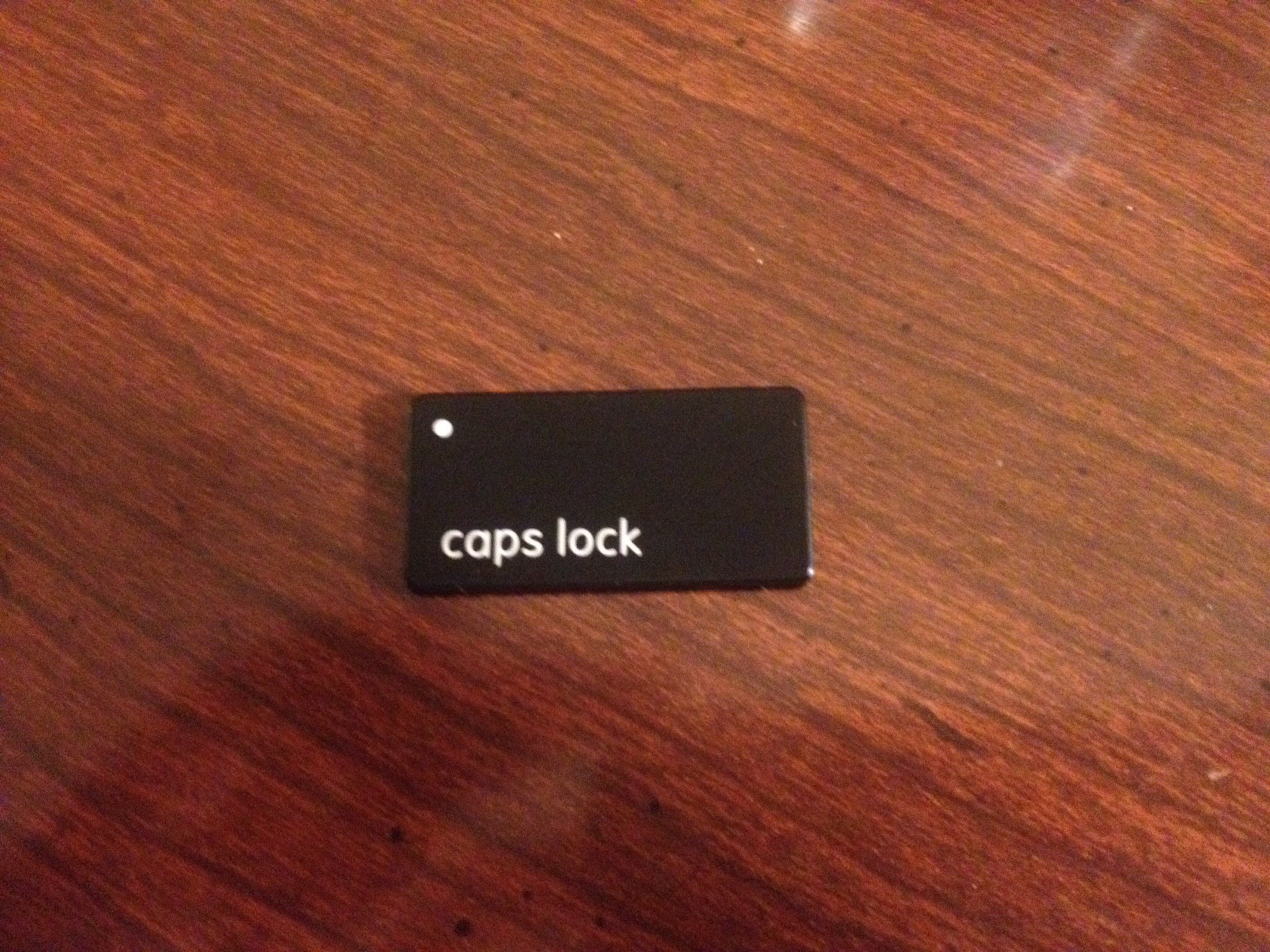
Two days ago, I opened up a bottle of fizzy water and it exploded. What I thought was a small amount of water hit the keyboard of my laptop.

I immediately wiped off the water and put a washcloth on the keyboard to absorb any remaining water. The computer seemed fine. Everything was working perfectly. So I forgot all about it. I went to the hotel gym for the next 45 minutes. When I came back upstairs, a few keys on my keyboard wouldn’t work.

I freaked out. I googled every possible forum on how to get keyboards working again. I turned my laptop upside down. I put it near the air vent in the hotel room (Im working an auto show in Philly). I gave it time. Nothing has happened. My keys (including the spacebar, delete, and tab key- all pretty important) haven’t returned to usability.

photo 5 (4)

My poor, hurt Mac Air has left me sad and hurting for it.

Since I’m out of town and working all day most days, I haven’t yet taken the laptop to the Apple Store. I’ve heard it’s too expensive to have them fix it anyway (it’s out of warranty), so I’ve been googling about other ways to fix it. No definite decisions yet.

image

I was out at dinner tonight with my friend Kate and I realized how much the hurt laptop was affecting my mood. She was talking about her injured cat and dog and I was talking about my injured laptop. Staring at it upside down by my airvent made me not even want to be in my hotel room anymore. It completely changed the happy mood of getting off work and relaxing at ‘home.’

I hadn’t felt so upset about a computer since college, when I had to spend two hundred dollars or so (my life savings at the time) to fix an errant Dell laptop that went kaput. Tonight I didn’t realize how overblown my emotions about the computer were until I was lamenting my sadness about the computer to Kate, and mentioned how I had to use copy/paste to put spaces between words because of my broken spacebar. She started laughing hysterically (though sympathetically).

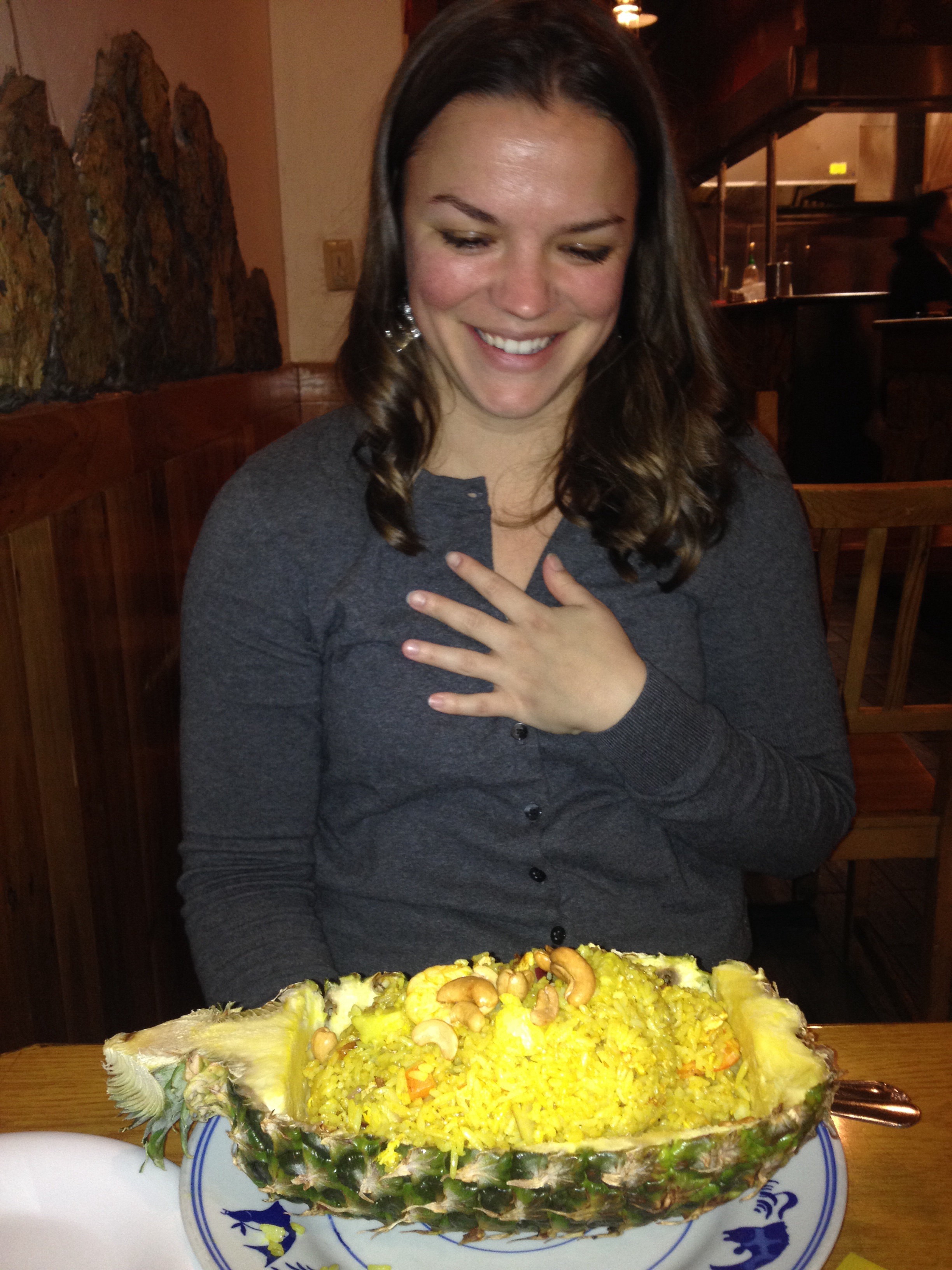
And then the food arrived and we laughed even harder at how her food was served in a pineapple.

image

I suddenly realized that I was missing all the fun of the present moment. I was having tons of fun with a friend I barely see and most of my thoughts were still bordering on obsession with fixing the laptop.

Now that I’m thirty I would hope I could put problems in relative perspective, but apparently little things can happen that still throw me completely off balance. Talking with Kate helped me feel lighter about the whole thing.

Of course I still feel my obsession with the broken keyboard hovering over my other thoughts. And I never think of myself as a very obsessive person.

I’m typing this using a combination of my phone, speech to text (which is something I didn’t know I could do in WordPress), and copy/pasting all spaces. Itshardtogowithoutspacebarordeleteortab.I’ve learned a lot about replacing a keyboard and exactly why my techie ex-boyfriend used to get upset at me for any drinks being within 10 feet of either of our laptops. I learned that even though I hate typing on a phone, it can be done. Im learning and adapting. I’m trying to laugh at myself and the whole situation.

But I must admit, it’s a challenge. Even at 30. Or maybe even more at 30- I’m attached to a certain thing being around and working well, and when it’s not, a whole week can feel messed up. Or a whole two days that feel like a week.

I think it helps to develop an awareness of the little things that can change your mood completely. So then, when youre upset, you can figure out why and break it down.

What do you think? Are there little things you rely upon that would change your days completely if removed or broken? Can you combat this by talking about it or shedding light on it? Do you find yourself taking seemingly ‘little things’ in your life way too seriously?


When I’m Married, Does My Spouse Get My Assets?

My head is spinning right now after researching this question. It’s quite a doozy. And I don’t use the word ‘doozy’ very often.

Writing the opposite article about whether you’re liable for your spouse’s debt was a much easier undertaking. The answers were wayyy simpler. I had no idea what I was getting into with this one. But I feel like it’s very important for those of us in our thirties, since many people I know are getting married or about to get married around this time.

So here goes: I’m going to use my very best simplification skills in order to make this as understandable as possible.

First, I want to preface strongly that I’m not a Financial Advisor, so this is a vast simplification. If you are truly worried about your assets being shared with your spouse, please contact a Certified Financial Planner. Here’s a website that will help you find one.

Second, Okay, so let’s repeat the question in its simplest state:

If I have an inheritance, a savings account, monetary gifts from my dear Aunt Myrna (all of these things are known as ASSETS) does my spouse automatically get half (or any of it) when I get married?

When I started researching this, almost every article I came across was actually about divorce. I couldn’t figure it out at first, and then it hit me: none of this asset stuff is really relevant legally unless you get divorced.

This actually means: Other than if you get divorced (and hopefully you will not), you won’t ever legally be forced to share your savings, retirement accounts and inheritance with your spouse. Not really. You will probably want to share some (or most) of it, but that’s between the two of you. 

Think about it: If you don’t want to share your savings or inheritance with your husband or wife, there’s no lawyer/judge/policeman/masked villain who’s going to suddenly barge into your house and FORCE you to share your savings with your spouse…I mean, unless your spouse sues you or something (and honestly, that’s the road to divorce right there), sharing money within a marriage is kind of a private matter…a verbal agreement between two spouses. I mean, you guys can fight it out amongst yourselves (a civil conversation is also an option), but no one from the legal system will get involved. Of course, you two are building a life together so you may want to commingle (share) money (The word ‘commingling’ is actually an important one. I will come back to the whole commingling money issue in just a bit, as it will soon take centerstage in answering our question).

Once you get divorced (again, fingers crossed against this), all the legal issues/headaches/major problems come into play. 

I mentioned in my last article about debt in a marriage that there are two types of states: Common Law states and Community Property States. I’ll review the Community Property states, since there are fewer of them. They are: Arizona, California, Idaho, Louisiana, Nevada, New Mexico, Texas, Washington, Wisconsin, the territory of Puerto Rico….and Alaska allows married couples to opt in to community-property status.

Basically, if you’re in a Community Property State (see above),AND YOU GET DIVORCED, almost all of your assets that you accumulated DURING THE MARRIAGE are divided completely in half. Even your own 401k, private savings account, or pension from YOUR job becomes half your spouse’s! Of course, there are exceptions, such as if you have a prenup where you’ve written down that you will NOT divide your assets equally, or you two agree to amicably divide the assets unequally (in which case, you’ll have to talk to your divorce attorneys and there will be a lot of writing to do.)

Two major exceptions to this rule are INHERITANCES and GIFTS. If you received a personal inheritance or personal gift, your spouse doesn’t necessarily get any of it in a divorce, unless you COMMINGLED THE FUNDS. Commingling means you used some of the funds to pay for a marital expense- this can get super tricky and involves lots of record-keeping and paperwork, so I’m not going to go into it here. My advice is: if you have an inheritance or personal gifts, try NOT to commingle those funds…yep, that might be hard. Once inheritance or gift funds that were specifically yours get commingled with marriage funds, you’ve made them fair game to be seized by your spouse during divorce proceedings. Eek.

If you’re in a COMMON LAW STATE (all the ones NOT listed above) and you get divorced, your assets won’t be divided strictly 50/50, but they will be divided in a “fair” way (read: complex). This will involve a lot of “if I take this, then you can have that” type of discussions. If discussions don’t happen, the courts will step in. It can get quite messy, especially if the whole ‘commingling of funds’ mentioned above has taken place.

Unfortunately, the main fact I came across in my research is: don’t trust your ex to tell you what you’re entitled to. They will possibly lie to your face…or they’ll honestly have no idea and make things up. If you’re getting divorced, DO YOUR RESEARCH. I know, it sounds harsh. I love to believe that people are good at heart too. But…the divorce experts who wrote the articles I read recently seem to believe more in greed than goodness. Sad face.

So that’s a lot. And not the happiest stuff I’ve ever written. If you’re still game for more, I’m attaching links to my research below for further reading. If your head is spinning, let’s review the absolute basics:

  • When you get married, you won’t be FORCED BY LAW to share your assets. You will probably want to share some or all of them.

  • When you get divorced, THEN you will likely be forced to share your assets.

  • After a divorce, Community Property states will divide most of your assets 50/50, with the possible exception of inheritance and gifts, unless the inheritance and gifts were commingled with marital money.

  • After a divorce, Common Law states wont divide everything 50/50, but they will divide things in what is deemed a ‘fair’ manner…and this can be very complex.

  • It is this very complex division of assets issue that solidifies the possible extreme importance of prenups. 

Oh man. That was a lot for a blog about the thirties. I swear, my next post will be about ice cream or something. Or maybe I’m just thinking about pints of Haagen Daaz because this was depressing.

Please let me know any questions or comments this brings up…or if you have more insight into this. Thanks for reading to the end!

References:

Managing Marital Property DO’s and Don’ts

401K division after divorce (this is complicated so I didn’t go into it here- these guys do it better.)

More retirement plan division after divorce

People hiding assets during divorce proceedings– eek!

Some good info on commingling

Sheltering inheritance

More sheltering inheritance

IMG_2431


Am I Liable if I Marry Into Debt?

The other day a friend of mine and I were having dinner and she was discussing buying a house with her boyfriend. They’d been together for some time and were hoping to get married within the next few years.

“I’m wondering though,” she said, “if I’ll take on his debt when I marry him. ”

For the last two or three years, the number of people I know who are engaged, about to be engaged, or married has skyrocketed. This definitely corresponds with the thirties- many people hitting their thirties are (possibly) beginning to settle down and find others they want to be with for the rest of their lives. Not everyone, of course, but it’s definitely been a trend.

Which is why I was surprised that I didn’t know the answer- I felt like I’d researched this before, and the answer was no, but I couldn’t be positive. I actually forgot to look up the answer that night and then today Suze Orman just happened to bring it up on her podcast.

For anyone about to be married and wondering about it, the answer is:  NO, YOU WILL NOT LEGALLY INCUR ANY OF YOUR SPOUSE’S DEBT FROM BEFORE YOU WERE MARRIED. (Big sigh of relief!!) If your spouse incurred debt BEFORE you got married, it’s his or her debt ALONE. Of course, you can help with the debt, and some would say that once you’re married you share everything, including debt. But LEGALLY, debt incurred by one spouse before a marriage doesn’t touch the other one. No one is going to come after you for your spouse’s debt, and if they do they are JUST TRYING TO SCARE YOU. 

To avoid all the clarification questions Suze Orman (and all the finance websites I’ve been to) get all the time, I will clarify up front: the debt you’re NOT liable for includes EVERYTHING before marriage. It includes student loan debt, credit card debt, auto loan debt, tax debt, bank loans, EVERYTHING. You’re legally liable for NONE OF IT.

HOWEVER, debt incurred AFTER you get married is totally different. If you get married and your spouse suddenly gets into a lot of debt, that debt will be legally yours too IF you live in what are known as “Community Property States.”

Community-property states include Arizona, California, Idaho, Louisiana, Nevada, New Mexico, Texas, Washington, Wisconsin and the territory of Puerto Rico. Alaska also allows married couples to opt in to community-property status. Most people do not :p

If you’re NOT in any of these states, you’re in what’s known as a Common Law state. This means that in general if your spouse gets into debt, you’re not legally responsible. There are exceptions here such as if you open a joint account together and that account goes into collections (obviously, because now BOTH your names are on the account.)

Hope this solves things for any of you newly marrieds or almost-newlyweds! If any of our Canadian, UK, and other international readers would like to weigh in on the policy in your country, I’d love to learn about that (and I’m sure others would too!)

Sorry if this wasn’t the most fun topic ever, but it’s an important one as we head through the thirties. Here’s some funny photos of a flash mob I did once to lighten the mood, haha:

There were 50 of us dressed as brides and we stormed Times Square and took a lot of people by surprise.

There were 50 of us dressed as brides and we stormed Times Square and took a lot of people by surprise.

We were promoting a pretty terrible movie called "The Big Wedding." ;)

We were promoting a pretty terrible movie called “The Big Wedding.” 😉


Below are some links for even more details about marriage and debt:

The Simple Dollar: http://www.thesimpledollar.com/financial-infidelity-4-steps-for-healing-marriages-torn-by-finances/

Bankrate- http://www.bankrate.com/finance/debt/wife-not-married-to-spouse-s-old-debts-1.aspx#ixzz3Nzez1PNj

Nolo- http://www.nolo.com/legal-encyclopedia/debt-marriage-owe-spouse-debts-29572.html

Lifehacker- http://twocents.lifehacker.com/how-to-protect-your-credit-when-you-marry-into-debt-1576458795