30 Women Around the Globe Reflect on Life at 30

International Women’s Day was just last week- March 8th. In honor of that day, Stylist magazine interviewed 30 women, all age 30, from all over the world. Here’s the link to that article: This is what 30 looks like: women across the world share their experiences. 

The women talked about their careers right now, whether they were single, married, or in a relationship, whether or not they had children, whether they were where they thought they’d be at 30, and more.

The biggest thing I noticed about the article was the discrepancy in the experiences and the voices. Every woman was at a different point in their life- some were 30 and worried about being single, some were 30 with 3 kids. Some were 30 and stay at home moms, some were 30 and running their own business. Some were 30 and worried about money. Some were 30 and worried about going outside at night because in their country they might be raped or killed. “Women aren’t safe. I can’t walk the streets for fear of being killed or raped; this is the product of patriarchy in my country.” – Sandra de la Cruz, Lima Peru.

Some were super happy with their lives while single, some super happy while married with kids. Some seemed unsatisfied while single, some seemed unsatisfied married with 3 kids. I feel like reading about all these different experiences for women at 30 really fights the FOMO (Fear of Missing Out) issue that I sometimes have. I want to do everything at once. I want to experience life with my own business, and also maybe have a life learning at another company. I want to experience being pregnant and having a child, but also experience being happily married into my fifties and sixties without a child interrupting, and without the life-changing responsibilities of a child.

It’s hard to want everything at once, and to want everyone else’s experiences too. This happens to me sometimes- I’m in a happy vacuum alone, enjoying my time, but then someone will tell me about something they’ve done, and I’ll want to do it too.

The article really brought home how different experiences can all be valid and happy-making, and there’s no one portrait of what a thirty-something’s life should be like. Follow your own happiness and make your own life and you won’t miss out on anything.

1390973327_international_womens_day_wallpaper

Can You Get More Introverted As You Get Older?

I just got back from my theater company’s writers workshop and I feel seriously drained. To be fair, I’m already running on less than adequate sleep, but my energy is super low when it’s usually super high after an awesome and creative theater meeting.

Part of me feels like I haven’t fully recovered from working a major auto show in Chicago- I returned from the show a full week ago- last Monday- but it kind of seems like yesterday. My days back in New York have flown by. I spent a good amount of my time back home working on taxes and projects that needed to get done, and other days catching up with people I really wanted to see.

For whatever reason, I just want to crawl up and be alone and do nothing all day for the next few days (don’t we all, sometimes, especially us introverts?) but I have to travel out of town again tomorrow for another show. And the sensation of wanting to be alone and do nothing for days and days in order to recharge is stronger than ever.

So I just googled ‘does introversion increase with age?’ and found mixed opinions. I know that it’s my introverted nature that makes me need alone time to recharge, but I usually love socializing, especially one on one, and don’t feel as drained as I do now by not getting enough time alone. The google search results were a mixed bag, generally not stating that introversion increases with age, but a ton of people had also asked this question, making me think that it’s common even if undiagnosed.

If introversion doesn’t actually increase with age, perhaps we’re just more aware of it as we get into our thirties- we’re more aware of what we want and who we really are. I know that I’m less willing to push myself to the point of burnout, and am much more conscious of my feelings and opinions. So this newfound awareness of how I feel and where my limits are may make me feel like I’m getting more introverted  as I get older when in fact I’m just more aware of what I need.

Actually, writing this is making me feel better. I’m playing classical music and I just made tea and am gonna take a hot shower and I’m writing to you guys and you guys are great. And I’m blissfully, blissfully alone. Le sigh…

But a good le sigh.

IMG_8304


A Beautiful Frustum In Your Thirties

Seth Godin, one of my favorite business bloggers, recently wrote a blog about pyramids without a top. In geometry, these types of shapes are called frustums.

We spend our career lives trying to get to the top of our pyramid- we want to be the career elite, the famous, the special, the 1%. And why not? Fantastic career success is a big and beautiful possibility.

However, with the advent of the digital age, more and more of us will find it easier than ever to get our work out there in some form, but harder and harder to gain the fame and well-known 1% type of success (because everyone else is getting their work out too). For example, it’s easier than ever for anyone to publish a book all by themselves, but now there are more books available than ever before. Instead of waiting to get a book published, you can publish your book and sell it on Amazon or multiple other internet sources completely free. You can do the same with music and web tv (webisodes)- you can quickly and easily get your music or webseries online and direct to users all by yourself and for almost no cost.

Will you be the next Taylor Swift or Lady Gaga? The next Stephen King or Tina Fey? Maybe. Maybe not. But can you be a success and make good money and have a powerful, impactful, positive life without being a headliner like the above names? Absolutely.

The hard part isn’t in being in a frustum of an industry- where there’s no real peak, just more and more opportunity for entry- the hard part is in accepting the frustum and knowing you can still make a great life. There’s lots of room in frustums for lots of people to be successes- it’s just a different kind of success.

Even when you’re not well-known or at what you think is the peak of your career pyramid, you can still be a pretty damn good school teacher or time-share seller or yoga instructor or animal shelter manager. You can write amazingly good books or make insanely gorgeous music and get it all out into the world easier than ever because the base of the frustum is wider than ever. If you can accept this shapeshifted new world change, you may just realize that you’re more successful (and happier) than you ever dreamed you could be.

Pentagonal_frustum.png

Online Dating In Your Thirties

Online dating in your thirties is awesome. It’s also terrifying. I know some people who hate online dating and others who swear by it. I’ve gone to weddings of friends who met their significant others online, and have also listened to multiple friends tell me that they’d never go on an online date again.

If you’re single in your thirties and have never given it a go, I urge you to try. Obviously, stay safe and meet in public places and all that good stuff- but otherwise, be open to new experiences. If you want to be single for awhile, that’s awesome and perfectly okay, but if you’re trying to meet someone and don’t want to do online dating because it seems scary or ‘not genuine,’ I think you’re potentially missing out. I know that some of you may swear that you only want to meet your special someone IRL (In Real Life), but I feel like online dating only increases the number of people you end up meeting, and helps you connect with people who you might have had a hard time finding otherwise.

You’re busy and have a lot of things going on in your life and career- it’s hard to meet people, especially in big cities where everyone’s busy and rushing around. You probably don’t want to limit yourself to guys/ladies you meet at bars, or solely date your coworkers. Sure I know a few couples who’ve met in one of those ways, but I believe that dating is actually kind of a numbers game, and online dating exponentially increases the number of people you can meet. And meeting new people can be fun in its own right– even if you don’t find your soulmate right away.

So without further ado, here are some free online dating sites and apps to try:

OkCupidokcupid.com

OkCupid is probably one of the most tried and true free dating apps out there. It’s been around for a long time- it launched in 2004- so it has a lot of users, which is good. It’s both a website and an app, so this is a good one if you don’t want to be online dating on your smartphone only. OkCupid is one of the most writing intensive of the online dating sites- it requires you to fill out a bunch of question and answer statements (what they call ‘essays’, but they’re not essays). It’s a great app for sheer breadth of people you can meet, and, if you’re a stickler for grammar, it really showcases whether someone is a good writer or not.

Tinder gotinder.com

Tinder is a swiping app only, and is not a website. You swipe people either left or right depending if you like them or not- so Tinder is the opposite of OkCupid, in that it’s not writing based- solely looks based. Tinder is known more as a hookup site, but isn’t limited to that…so it can be a bit on the hazy side in terms of what people want from being on the app. The swipes on this app are unlimited, so it’s known to become an addictive habit. Most people who hate online dating are Tinder users, so I don’t recommend it for beginners to the online dating world. I’m also not a big fan of Tinder anyway, because of their semi-icky nature and ageist policies.

Hingehinge.co

Most people don’t know Hinge, but it’s slowly becoming an online dating fan favorite. It works by connecting you to friends of friends on Facebook, so it’s kind of like being introduced to your friends’ friends’ friends without the trouble of an introduction.  You don’t have to do much to set it up, because, as it works through Facebook, it’s able to pull a lot of your data from your FB profile- so you don’t have to upload any new photos or write that much at all. The Hinge profile is a profile you can create in minutes. Also, although Hinge, like Tinder, is also swiping app, it limits your swipes to only a couple of people a day, so you can put down your phone, stop the madness, and have a life outside of the app. Hinge is a great app for online dating beginners since it’s easy and user-friendly, especially if you have a good amount of Facebook friends (the more FB friends you have, the more recommendation possibilities for the app).

Bumble– bumble.com

Bumble is a swiping app, like Tinder and Hinge. However, there are a few major differences. One– it isn’t known to be a hookup only app the way Tinder is. Two– It doesn’t go through Facebook. Three (and most importantly)– It only allows women to message first. That’s the Bumble catch. So if you “match” with someone (you both swipe right= “yes”to liking each other), then only the woman can say the first hello. If she doesn’t, the match disappears within 24 hours and you’ll never speak again (on the app at least). Make of Bumble what you will, but I think it’s a neat and different little marketing concept. Bumble also has unlimited swiping- a la Tinder- so it can be addicting. And Bumble was actually started by Whitney Wolfe, one of the cofounders of Tinder. And Jane actually wrote about Bumble here before.

So go enjoy! Don’t be ashamed to be single in your thirties! You may never get to have this amazing time again, and some of your married friends may even be quite a good bit jealous of you. So go date, online date, and live it up!

large

The More Time and Less Time of Stopping

I recently went through a period where I had trouble feeling grateful for things. I wrote about some of my struggles in What Happens When You Start Feeling Empty – I came to a point where I realized I was having difficulties accessing any feelings at all, never mind grateful, peaceful ones.

I’ve started to come out of that funk, at least for awhile, and I think the return of some peace in my life has a lot to do with having gone through the emptiness in the first place, acknowledged it, and just stopped.

Stopped. Cold.

Instead of trying to push through the empty feeling and just get it out of my life by sheer force, I sat with it. I stopped what I was doing- the things I could stop anyway- the busyness and busy rituals that I felt I needed to do but actually didn’t. The emptiness was trying to tell me something and I needed to listen. Jane talks about sitting with feelings of sadness in her last post The Solstice and Acknowledging the Harder Parts of the Holidays. I think you can sit with any feeling, including an empty lack of feeling.

I turned the non-feelings over in my head. I wrote about them here. And then, slowly, painstakingly at first, the feelings changed. And I changed what I was doing. Tiny, experimental changes. I starting a new morning ritual instead of my beloved meditating. I exercised in a different way. I started seeing more friends and changed my work habits a bit. I read a different book.

I didn’t make major changes. Just small ones that felt a bit better. And then I started to feel a bit better.

I didn’t have any more time in my life to sit with my thoughts or change my routines or stop what I was doing. But time is a funny thing. It’ll expand when something is important to you.

Even though the holidays are busy and stressful sometimes, give yourself the gift of your own time for awhile. Peace will come.

And isn’t that what the holidays are all about anyway?

IMG_8250


Budgeting in Your 30’s When You Hate Budgeting

For all the writing I do about finance and money goals, I really hate to budget. I just can’t stand it.

Perhaps this is because I’m already a big saver, so when I want something, I usually REALLY want it, and not much is going to stand in my way. I hate not listening to my own written budget, but I wouldn’t listen if I really wanted something badly, so I feel like I’d probably go over budget lot of the time, and then I’d kick myself. Ok, so this is actually a self-control issue. :/

I walked around forever with budget hatred burning a hole in the pit of my stomach until recently, when I read an article and realized I’d been kind of following an unofficial budget strategy all along. I googled the info in that article and came upon even more articles that outlined alternative budgeting strategies. Turns out, I naturally follow a common budget strategy called the 80/20 budget, though my version is actually a 70/30 budget.

The 80/20 budget is basically the simplest and least detailed way to budget ever. And I love it, because the details of budgeting make me nuts. Here’s how it works: when you get a paycheck, 20 percent goes to savings. The rest is fair game to divide between needs and wants. That’s it.

This is kind of amazing if you’re never sure how much you’re going to spend in any given month- no matter what, you’ll still be saving. I do a 70/30 budget, or actually a 70/10/10/10 budget, which is only slightly different than the 80/20. The way it works is:

  1. I get a paycheck
  2. I put 10 percent in my retirement account immediately
  3. I put 10 percent in my savings account immediately
  4. I put 10 percent towards my student loan immediately (this is always in addition to the minimum monthly fee I pay)
  5. Then the other 70 percent is divided as best I can among EVERYTHING else without making a budget.
  6. Within the 70 percent, my NEEDS include: Rent, utilities, and student loan minimums (definite needs), as well as food, metrocards (transit), laundry money, and toiletries.
  7. Also within the 70 percent are WANTS including: eating out and or/drinking with friends, food and coffee and green juice splurges, new shoes or clothes, tickets to theater, subscriptions to Spotify and Hulu.

Don’t get me wrong- it’s probably best to actually budget everything out little by little with a food budget, a clothing budget, and an eating out with friends budget. But I’ve never done this, and I don’t know if I’d stick to it if I did. So I think it’s better to at least have SOME sort of budget! And with the 80/20 (or 70/30, or even 60/40) budget, you’re at least still saving. If you don’t have students loans, I’d recommend putting at least 10-15 percent of your paycheck immediately into your retirement account, and then 10-15 percent immediately into a savings account.

What’s funny about taking a certain percentage out of your paycheck right away and paying down a debt and/or putting it into savings is how little you notice that the money is gone. It’s a strange phenomenon! Try it if you don’t believe me. Take 10 percent out of your paycheck immediately each month and put it into savings…you probably won’t even miss it! And if you do, you can always take it back. I wouldn’t recommend it…but the whole point is that your savings account belongs to you! 🙂

83605628

Is Dating In Your Thirties A Zero Sum Game?

It’s funny- I didn’t even know what a zero sum game was until recently…and now I’m obsessed with the term and how it can apply to life.

The definition of a zero sum game can be found all over the internet, but it took me awhile to really GET the phrase. I put a definition link above and you can also find official and very thorough definitions here and here and here.

But if you don’t feel like clicking those links, here’s my definition: A zero sum game basically means that in order for one person to win, the other MUST lose. Tennis is a great example of a zero sum game. If Federer won a match against Djokovoch, Djokovich HAS TO lose. If Djokovich won a game against Federer, Federer MUST lose.

But can the zero sum game definition be used in the dating world? If I’m dating you, and I really like you, and you decide not to date me anymore and ghost after 4 dates (remind me to one day write another post all about ghosting), it seems possible that I have lost this round of dating you, and you have won. If I start dating a new person and he falls for me, but I suddenly feel that he and I are not working well together, so I stop seeing him and make him sad, then it seems I have won this dating round, and he has lost.

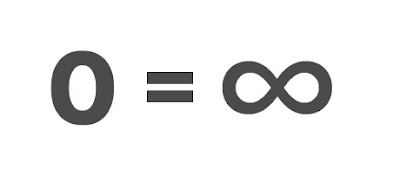
In a zero sum game, there are a finite number of prizes. So if there is only one prize and two players, only one person can win the prize. The other person, therefore loses the prize. My prize win (+1) plus your prize loss (-1) equals zero.

+1 + -1 = 0  And that is where the phrase ZERO sum game comes from.

If dating was a zero sum game, we can maybe define the winner’s prize as walking away with an uncracked heart, plus a moderately peaceful (perhaps even relieved), mental state. The loser, therefore,  CANNOT get the uncracked heart and peaceful outlook- the winner already took that. In a zero sum dating game, the loser ends up with no prize, or a negative prize: broken heart and saddened mental state.

I think dating CAN be zero sum, but it actually never has to be.Interestingly enough, though I’ve gone on what seems like an inordinate amount of dates in the past few months, with possibly enough material for my own comedy show, I don’t think that dating has to ever be a zero sum game. And the trick to stopping that loser/winner zero sum game from playing out in the dating world is simple:

  1. Change the prize

Perhaps your prizes from dating are:

a) Getting a relationship  ….or

b) Meeting someone who will fulfill your every dream    ….or

c) Getting out of dating someone you don’t like in the most peaceful, easy way possible, YAY!

I think the prizes can instead be something like

a) Getting to know and understand a new person better  ….or

b) Getting to know and understand yourself better  …..or

c) Getting to know about new things and places you never knew about before

…and you will always automatically win.

In this way, even if and when you stop dating someone, and even if your heart is breaking and you can’t stop eating ice cream iand crying in front of your television, you still win. Even if you just ran away and hope to never see your date again as long as you live, you still win. You learned about yourself, you learned about another person (good or bad, it still counts as knowledge). Hopefully you even discovered a new place.

And if the other person had the same prizes, defined above, as you, they will also win! That means there will suddenly be more than one prize to go around in the dating game, thus turning dating into a positive sum game!

Much of life isn’t a zero sum game. We don’t need others to lose in order for us to win. In dating, as in finding happiness, as in friendship, as in love, multiple people can win at the same time. It can all become a multiplier game instead.

Just make sure you choose the right prizes.

zero-as-infinity1

What’s a “Real” Job In Your Thirties?

Continuing along Jane’s career topic from the last post, I have a “what the heck is a “real” job anyway?” story from this weekend.

So I was working in Vegas for the past few days- doing my “real job” of being a self-employed presenter and product specialist at tradeshows, conventions, events and autoshows. For the past three years or so, I’ve thought of this as my ‘real job.’ There are three reasons for this:

  1. I do this job full time.
  2. I enjoy doing this job
  3. I make money from doing this job- in fact, I make just about all of my full time income from this job.

The reason I’ve only considered this my real job prior to the last 3 years, even though I’ve been doing the same thing for more than 9 years, is because I used to consider my real job:

1.PASSIONATE THEATRE DIRECTOR EXTRAORDINAIRE. OCCASIONAL VERY PASSIONATE ACTOR EXTRAORDINAIRE.

I stopped considering theater jobs as my “real job” for one very simple reason:

  1. I don’t make money from doing those jobs.

*At least not close to enough money to support myself and my formerly six figure student loan (now down to an impressive 5 figures! Woot!)

However, while working the convention this weekend, an attendee said to me in a confidential whisper, “so, what’s your ‘real’ job?

I informed him that this was, in fact, my real job. That I do this full time in differing aspects.

He wouldn’t accept my answer. He kept pushing for what my ‘real job’ really was. I attempted to explain to him that I’m building up my current job to do even more in the field of presenting. He wasn’t satisfied. He didn’t believe me. He was sure I was holding back.

I mentioned that I’m entrepreneurial and have multiple side projects, some of which are online. I even attempted to explain some of the side projects. None of this information satisfied him.

Now, at this point, I was looking for an escape route, or at least a way to get back to work and end the conversation.

Finally, I said, “Ok, I direct theater. I’m an actor. I have a theater company”

THIS answer he accepted. “I ‘KNEW IT!” he shouted. “You have a real job after all!”

And after talking my ear off for a few more minutes, and attempting to get my card, he finally went on his merry way, leaving me slightly more annoyed than before he arrived.

I guess some people just have an idea in their head of what a ‘real’ job is.  Being an ‘Actor,’ whether it makes you any money or not, is a ‘job’ that people understand. I always thought acting was the thing people kind of made fun of because a lot of the time ‘actors ‘ end up serving you in restaurants. But I guess the “real job” title of “Actor” is glamorous in it’s own way, even when it’s not.

I could’ve said “pursuing acting left me in abject poverty. Directing theater took up so much of my time that I couldn’t make money working other jobs that actually paid. I made such little money as a theater director that there was no way I could buy a weekly Metrocard, never mind pay my rent from the sad stipends I received. This “real job” that you don’t consider a real job saved my financial life.”

But I feel like he would’ve just said some platitude like, “Keep smiling, kid. Live your dreams. ”

So I simply let him walk away in ignorant bliss. Sometimes it’s just not worth it.

The Joyful Paradox of Saving and Spending In Your Thirties

Today, I was at the airport, sitting next to a woman who was having an extremely loud phone conversation. She had a strong Irish accent and was discussing hotels with her friend/relative on the other end of the line.

“But is it a 4 and a half star?” she exclaimed,  “I don’t want to be in another one of those low category hotels like before.” Her companion apparently told her something disagreeable…not about stars, but about price. “It’s $1500 now? Last time it was $1000. It’s going up!”

It’s possible that this woman was referencing a total cost of stay for a weeklong trip. Who knows? But in my head I thought she was referencing a daily rate.

And hotels really can run into the thousands for daily rates! They can actually get much pricier, especially when suites are involved! Those kinds of crazy high hotel prices don’t even require that great a stretch of the imagination! A friend of mine works at a hotel and she’s seen rooms multiple times that price.

How dare hotels charge those kinds of wild rates? That’s easy- because people will pay them.

Cost is relative. The woman on the phone at the airport seemed okay paying $1000 as long as the hotel was 4.5 stars or higher. Since the hotel had gone up to $1500, the woman was put off, but she didn’t seem totally averse to the new exorbitant price..because she cared more about the quality of the hotel than about the price.

And so it is with saving and spending…and a lot of life. Pick your battles.

There’s a great quote from the CEO and founder of the amazing home website, Apartment Therapy, Maxwell Ryan: ‘Save more than you spend in a way that keeps you happy and comfortable. You can be comfortable or uncomfortable on any level.’

Yesssss!! Even if you made 500K a year and furnished your Park Avenue mansion with the finest handmade furniture imported direct from Italy, you can easily find a way to want more and more… and still be uncomfortable. And if you made 30K a year and live with 4 roommates in a house in the far out suburbs with no car, you can still find ways to be extremely comfortable (well, you can try your darndest). The key to spending/saving comfort takes both knowing yourself and carefully planning.

As you go through life, you become more familiar with your wants and needs. What’s important enough to you that you’ll budget more money to get it? What can you forsake in order to save? Can you live without staying in a 4.5 star hotel? Are you more into spending most of your budget on dinners with friends? Do you want to shop only organic? Is living in the most popular, convenient (and expensive) neighborhood important to you? Do you value fancy cars? Once again- pick your battles. And sometimes it helps to throw money at problems you’d rather not deal with…

In planning your budget, and saving money, it really helps to know the difference between what you care about, and what you only think you care about. In this way, you won’t be a miserable wreck while saving. Don’t deny yourself your absolute very favorite things! Just find the things you can live without and go without them for awhile as you save. You can do it!

Yep, this is a real underwater hotel in  Pemba Island, Zanzibar. It's called the Manta Resort. And for a cool $1,500 a night, it can be yours!

Yep, this is a real underwater hotel in Pemba Island, Zanzibar. It’s called the Manta Resort. And for a cool $1,500 a night, it can be yours!

First Thing in the Morning in Your Thirties

For most of my life, I never really had a morning ritual. Well- I never had a morning ritual that went much beyond putting on my makeup and getting my hair into some sort of acceptable outside-world style.

Then, as I went through my twenties, I started adding new parts to my morning ritual. I got into making green juices in the morning, and then- even better- I got into making green smoothies. I purchased a french press and started making my own coffee every day as well. Lots of liquids. And then I figured out a way to style my hair even quicker than before (by forsaking straightening my crazy waves into heat-damaging oblivion every single day).

Yet even when I had a handle on my morning routine, it always felt like a means to an end. I got nothing super important done in the morning. I usually saved that stuff until the afternoon, when something more pressing usually came up and interrupted it anyway (like lunchtime. Or drinks out. Or a new bunch of emails to return. You know, the important stuff…)

This summer, I hit a wall. I was sick of the days passing me by while some of the most important things I wanted to do daily remained undone. So I started a ‘most important things on my list are the first ones’ habit. And it really started to work.

I’d get up, start some coffee, eat an apple, and meditate (which is very important to me). Then I’d put on my gym clothes and go running or to the gym (also very important). Then I’d come back, make a smoothie, and tackle my to do list or go to work. In this way, I was meditating daily and also getting to the gym before interruptions took over. The first thing in the morning habit really worked. Even though I’m a night owl.

The hardest part has been expanding my morning ritual into other important tasks. It was easy to meditate and run and then get through a to-do list of smaller items like ‘wash dishes. email so-and-so. send invoice.’ It was much harder to meditate and run and   then tackle larger and more important to dos like ‘rewrite resume. practice presentations. watch videos and research new job prospects.’ I was just talking to my friend Janna about this; For whatever reason, the reallly important tasks that could further our lives and careers have been getting pushed by the wayside and out of our days entirely. And this has been happening for a while… kind of sort of like always. Especially on work days where there’s not much time left in the day to tackle tasks other than getting to work.

Our new idea has been to start using the ‘first thing in the morning’ ritual to include these big important tasks right away…and I think it’s best to only focus on one Very Important Task daily.

So to recap, instead of trying to kill a whole to-do list, I’m going to prioritize one big important task a day and only try to do that, starting in the morning. First, I’m still going to start my coffee and have an apple and meditate. Then I’m going to work on the chosen task for an allotted period of time. Only THEN will I tackle the other items.

I think choosing only one large item a day to work on first thing in the morning is helpful. When there’s only one thing to think about, it’s easier to stay focused and not accomplish absolutely zero big important tasks in a day.

What do you think? Do morning rituals help you? How do you accomplish the really big important tasks and not let the days pass you by?

0d246de

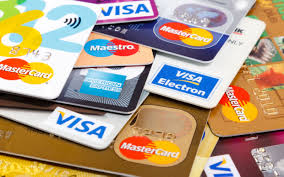
Should You Have Lots of Credit Cards In Your Thirties?

You know it’s true: You’ve been tempted by credit card sign up bonuses in the past. And you’ve maybe even signed up for a credit card solely for the sign up bonus… and then canceled it? Or have you been scared that opening up or canceling lots of credit cards in your thirties could hurt your credit score?

There’s a lot of mixed information in this area that might leave you puzzled. Here’s the deal: credit cards can be really helpful and pretty benevolent unless you can’t use them wisely. It’s like anything: if you develop an unhealthy (overspending) addiction, you need to stay away. Otherwise, proceed wisely and happily. There are lots of benefits to having multiple credit cards.

Here are some tips for having various credit cards in your thirties:

  1. Pay your credit cards off in full every month

This is pretty self-explanatory, but the real trick to benefiting from credit cards, and especially from having multiple credit cards, is to make sure you pay the full balance off every month, not just the minimum. If you can’t pay the full balance off every month, stay with fewer credit cards until you can. Sign up bonuses and points aren’t worth the crazy expensive interest charges you’ll have to pay if you rack up debt.

2.  Don’t cancel the random credit cards you opened in your early twenties

Part of your credit score is calculated based on length of credit history. If you cancel the first card you ever opened, you’re shortening your credit history, and this will hurt your credit score. Unless a card has a high annual fee that you don’t want to pay, there’s no reason to cancel. If you don’t want to use the card anymore, pay it off and cut it up.

3. If you’re opening multiple cards for a point bonus, make sure you can meet the minimum spend in the correct amount of time

If there’s an American Airlines card that will give you 50,000 miles when you spend $3,000 in 3 months, make sure, if you get the card, that you’re gonna spend the $3000 in 3 months. I’ve screwed this one up before and have actually forgotten to meet the minimum. Put all your other cards away and solely use that one for awhile. If you can pay major bills, like your rent, on your credit card, you should be able to easily meet the minimum. There are actually services that can help you do this –this one is called Plastiq. Though Plastiq charges a 2.5% service fee, it can be helpful if you need to meet a minimum.

4. If you can meet multiple minimums at once, it’s best to open more than one card on the same day

Even if you have great credit, you’re more likely to get denied for a card if you open a new card every few weeks. I’ve actually opened and been approved for three cards in one day (I’m really good with credit cards and pay them off in full every month). If I’d opened one card and then waited a week to apply for the next card, I would have probably gotten denied. Wait at least 90 days to apply for the next credit card(s).

5. You won’t ruin your credit from having multiple cards

In fact, the opposite is true. Your credit score is partially calculated from something called a debt-to-credit ratio. If you have more credit available, you’ll have a better ratio.

6. You won’t ruin your credit from canceling a card

If a card has a high annual fee and it’s not worth keeping, go ahead and cancel it. Your score will only drop a tiny bit from your lowered debt to credit ratio. And it will come back up again as you continue using your remaining cards wisely. The annual fees aren’t always worth keeping the card. The only exception to this rule is if you cancel your oldest card- that will definitely lower your score more than the others because it will change your length of credit history… as I mentioned above.

There’s a lot more tips for enjoying multiple credit cards safely, but I hope this is helpful! As always, please comment below with any questions you may have! Thanks for reading!

download (9)

Thirty-Something and the Terrible, Horrible, No Good, Very Bad Mood

Earlier this week I woke up on worse than the wrong side of the bed. I woke up on the wrong side of the planet.

A black sticky cloud had descended upon my usually happy-go-lucky outlook. My eyes went dark and my blood turned ice. The outside world had become bleak and unfriendly. My favorite things felt traitorous. My favorite activities felt lifeless. Everything sucked. There seemed to be no turning back.

There’s been some tumult in my life lately that could’ve caused this blackness to fall upon my days. A big change recently happened with my job that left me horribly upset. Someone said a few things to me recently that shook my trust in people. I’ve been a bit overtired. However, I’ve been through way worse things before, and I don’t usually get this moody.

Sometimes the perfect storm occurs in your life, and no matter how good you’ve been feeling in your thirties or how good things are going, your mood will drop into the negative range. It’s normal and it’s okay.

I’m just starting to shake this feeling, but I’ve come to a few conclusions about it. Here they are.

  1. Sometimes you’re in a black mood. It’s okay. Feel it and don’t beat yourself up.

Really feel the bad mood- give yourself permission to not be okay. You don’t have to always be okay. Try not to explode angrily at other people, but otherwise go ahead and live with the feelings for now. They will pass. When I just pretend to be positive and push away my mood, it usually prolongs the badness and makes me more upset.

2. Sometimes it’ll take a bit of time

Just because you don’t feel better the next day, or the next week, doesn’t mean you’ll always feel off. Give yourself time and don’t freak out or go down a rabbit hole of thinking “everything will be bad forever”….it won’t. I have a bad habit of going down that rabbit hole when I get upset- fearing that I’ve backtracked from all the progress I’ve made in my life. It’s really a terrible habit- but I have to remember that the progress I’ve made is real and won’t just go away because of a bad period. It’s hard to remember.

3. See if you can trace the bad mood.

Sometimes there’s a root cause to the negativity that you can actually work on. Sometimes you’re moody because you need to take action. When I realized that part of my bad mood was due to my job, I started talking about it. Talking things out is sometimes really helpful for me. I also have been attempting to brainstorm baby steps to work on the job issue. We shall see.

4. Be gentle with yourself

Give yourself permission to sleep extra hours if you can grab them. Take a long bath. Watch a movie you want to watch. Walk in nature. Read a book you like. Treat yourself the way you’d treat a friend who’s down. I recently went for a walk in the gardens of the Biltmore Estate, in North Carolina. It was calming to see such amazing beauty in nature.

5. Help someone else

Jane recently was talking to me about something sad going on in her life, and I attempted to cheer her up. While cheering her up, I remembered something that always made me feel better. I had forgotten about what made me feel better in the past- or rather, my bad mood had blocked me from it.

6. Your bad mood isn’t the real you

I’m gonna say something weird now. It’s gonna sound new-agey- but I’d appreciate you bearing with me for a sec. Here goes:

Something I’ve learned in the past few years is that the real you is always love.

I know that sounds weird and hippie-ish and is hard to make sense of, even for me right now. But believe it or not, I think love is what everything really is. Love is given to and received from you all the time, no matter what. Even when you’re at your most horrible, the real you is love. Even when people around you are total douches, their real selves are sending you love. Really.

Isn’t that sort of nice to think about?

Because there are so many blocks to feeling this love. So many. Like apathy. And boredom. And fear. And those darn bad moods. But the love is still there anyway. It’s crazy.

The blocks make it so hard to remember that they’re not what’s real- they’re just blocks to what’s actually real. I don’t know why there are these blocks, and why it’s so hard to get through them. But I guess life has always been mysterious.

M35

Knowing the Difference Between Labor Day, Veterans Day and Memorial Day by Your Thirties

Happy Labor Day! Today’s post is a repost from this past Memorial Day, but I thought it was timely. Hope you had some good barbecue and are enjoying every last bit of the summer!

Last year on Labor Day, a friend of mine was wondering whether or not to thank the military. (Short answer- sure, thank the military- but not because of Labor Day. Labor day has nothing to do with the military- it’s about American workers.)

Last Memorial Day, I overheard someone asking the difference between Memorial Day and Veterans Day. This was not a child asking- it was someone in their fifties

So in case you’re not sure of the differences between the holidays, but are too embarrassed to ask, lets clear up the confusion right now, anonymously 😉

Memorial Day: Memorial Day is for honoring and remembering military personnel who died serving their country, particularly those who died in battle or as a result of battle wounds. The holiday originated right after the Civil War and is always celebrated the last Monday in May because that’s when flowers are blooming to decorate the graves of the dead. Read more about Memorial Day here.

Veterans Day: Veterans Day is a day to thank EVERYONE who’s served in the military, whether in wartime or peacetime. The day is especially to thank living veterans for their service, and to really show that all those who served, and not just those who died, have done their duty. Veterans Day was created after World War I and is always celebrated on November 11. Read more about Veterans Day here

Labor Day: Labor Day is dedicated to the contributions and achievements of American workers. It was created in 1887 by the Central Labor Union and the Knights of Labor. It’s always celebrated the first Monday in September. Read more about Labor Day here.

Hope your fantastic Labor Day weekend carries you into the fall and beyond!

map_grill

Temptation in Your Thirties (Or, What About Those Times When Only Nutella Will Do?)

I remember the good ol’ days when I had no idea what the heck Nutella was. Those days are fuzzy and feel like they happened in another life.

Then I went through a period where Nutella was my kryptonite. It’s so delicious and tempting, I could eat the whole jar in just a few days if it was in my apartment (ok, maybe more like 2 days…or maybe even 1. Eek!). I used to stare longingly at the Nutella in my kitchen cabinet. I wanted it so badly. I had to use every ounce of my willpower to avoid it.

But then I discovered a funny thing- if I didn’t buy Nutella and didn’t have it in my apartment, I wouldn’t eat it. I couldn’t eat it. It wasn’t there to eat.

In my thirties, the Nutella lesson has become a life metaphor for many things. I started making it a habit to keep my phone ringer on silent while meditating first thing in the morning. That way, nothing can come up and interrupt my meditation- it’s just the first thing I do. I also blog at least twice a week- and I have an accountability agreement with Jane: she writes, then I write, then she writes, then I write. It’s good to have that kind of system set up.

I think that by your thirties, you’re really beginning to know yourself- your strengths and weaknesses, what you can tolerate and what you can’t, where you can push yourself and where you cannot. If you work with your strengths instead of against them, and you take your worst weak points out of the equation as much as you can, your life will run smoother. There are ways to really start working well with yourself in your thirties the way you never could before.

Setting up habits is super helpful, and can help remove kryptonite situations from your life. It’s hard to remove your kryptonite until you know what it is.. but once in your thirties, you know yourself better. So you can set yourself up to remove bad temptations from the equation and make way for good temptations to come in and make your life way more fun.

Temptation_150x224-150x150


Meditating Doesn’t Last- So What the Heck’s the Point?

I’ve been really into meditating every day in the morning, before anything has had the chance to distract me. It’s been a good habit, because if I didn’t make it a habit, I wouldn’t always want to do it.

You see, I realized something interesting about the practice of meditation.

Sometimes meditating feels great and strengthens me and makes me feel positive. Other times I feel distracted and jittery and distant. Sometimes I start out really into meditating and then get distracted by to-do list thoughts. And other times I start out with distracting thoughts and slip into a very peaceful state. Occasionally it’s a back and forth.

On the days that meditation feels good the whole time, or at least by the end, there’s never a guarantee that the next day’s practice will feel as good. There’s also not a guarantee that the meditation energy will “hold” and that I’ll continue to feel good the next day without meditating again.

In this way, I feel like meditating is extremely comparable to brushing your teeth or showering. You need to make a habit out of it. It doesn’t bring goodness that lasts and lasts without its own continuation. Showering once is great for the day- and it’s better to shower only a few times a week than not at all (though I’d still go with once a day). But it’s way better to shower every day or sometimes twice a day. Same with brushing your teeth- after brushing, you feel all minty and fresh. But your teeth get dirty again, and you need to be in the habit of removing the dirt.

I think sometimes when I get down and feel like meditating doesn’t work, I forget the simple fact that it’s more of a habit than a one time thing. You’ve gotta keep removing the dirt. Brushing your teeth regularly prevents tooth decay. Meditating regularly prevents soul decay- or more accurately, it enables soul growth. If I make it a part of my life, my life grows.

Female yoga silhouette with the lotus flower